
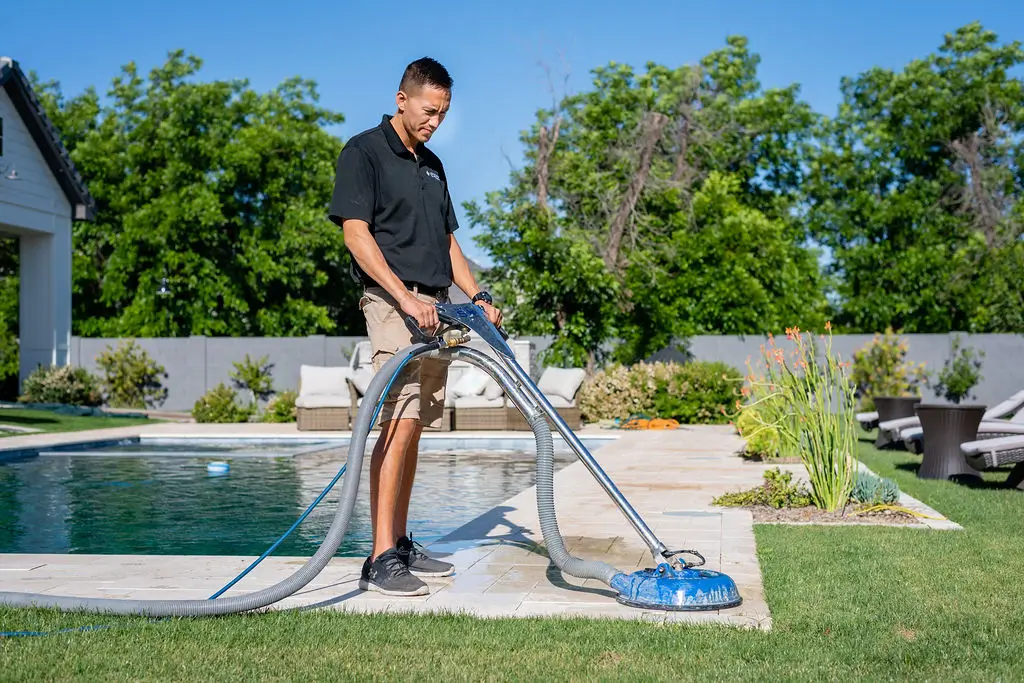
Why DIY Travertine Polishing in Mesa Homes Often Backfires
You’ve noticed your travertine floors looking dull, etched, or worn. Maybe you’ve watched a few YouTube videos and picked up a polishing compound from the hardware store. Before you start grinding away at your natural stone, you need to understand what professional travertine polishing in Mesa AZ actually involves, and why the DIY approach rarely delivers the results Mesa homeowners expect.
Travertine is a calcium-based stone that reacts to acids, scratches easier than you’d think, and requires specific equipment to restore properly. What looks like a simple polishing job is actually a multi-step process involving honing, grinding, and sealing with professional-grade materials. The difference between a homeowner with a rented floor buffer and a trained stone restoration technician isn’t just experience, it’s the ability to diagnose damage, select the right abrasives, and avoid making the problem worse.
Across Mesa and the East Valley, we’ve restored countless travertine floors after well-intentioned DIY attempts left them streaky, uneven, or permanently damaged. Here’s what you’re up against when you try to polish travertine yourself, and why professional restoration is the smarter investment.
The Real Cost of DIY Travertine Damage
When you rent a floor polisher and buy over-the-counter compounds, you’re working with consumer-grade tools that lack the precision and power needed for natural stone. Travertine requires progressive diamond abrasives, starting with coarse grits to remove damage and working up to fine polishes for shine. Most rental equipment can’t accommodate this process, and the wrong grit at the wrong stage can scratch your floors beyond repair.
We’ve seen Mesa homeowners create deep swirl marks, uneven surfaces, and hazy finishes by using the wrong pads or applying inconsistent pressure. Once travertine is over-polished or gouged, the only fix is professional honing to remove the damaged layer and start over. That repair costs significantly more than the original restoration would have.
Arizona’s hard water adds another layer of complexity. If your travertine has mineral deposits or etching from acidic spills, surface polishing won’t remove them. You’re just buffing over the damage, creating a temporarily shiny surface that dulls again within weeks. Professional travertine stain removal addresses the underlying issues before polishing begins.
What Professional Travertine Polishing Actually Involves
Professional travertine restoration in Mesa starts with a thorough assessment of your stone’s condition. We identify etching, lippage (uneven tiles), cracks, and staining before selecting the appropriate restoration method. Depending on the damage, we may need to hone the surface with diamond abrasives to remove scratches and level the stone before any polishing occurs.
The polishing process uses progressively finer diamond pads, typically starting at 100 or 200 grit and working up to 3000 grit or higher for a mirror finish. Each pass removes microscopic layers of stone and refines the surface. This requires commercial-grade equipment with variable speed control and consistent water flow to prevent heat damage and ensure even results.
After polishing, we apply a penetrating sealer formulated specifically for travertine. This protects the stone from stains, moisture, and Arizona’s hard water without creating a plastic-looking surface. The sealer also makes daily maintenance easier and extends the life of the polish. You can learn more about the importance of proper sealing in our guide on travertine cleaning and sealing.
Why Mesa’s Climate Demands Professional Care
Mesa’s desert environment is tough on natural stone. UV exposure, temperature swings, and mineral-heavy water all accelerate travertine wear. Outdoor travertine around pools and patios faces even harsher conditions, with constant sun exposure and monsoon moisture creating expansion and contraction that can crack improperly maintained stone.
Professional restoration accounts for these environmental factors. We use sealers rated for Arizona’s climate and adjust our techniques based on whether your travertine is indoors or exposed to the elements. DIY products from big box stores are rarely formulated for our specific conditions, which is why they fail prematurely in East Valley homes.
When to Stop Scrubbing and Call a Professional
If your travertine has visible etching from acidic cleaners, deep scratches, or a dull haze that won’t respond to routine cleaning, you’re past the point where DIY methods will help. These issues require professional-grade diamond honing to remove the damaged layer and restore the stone’s integrity. Attempting to polish over etching or scratches only highlights the imperfections and wastes your time.
Uneven sheen across your floors is another clear sign you need expert intervention. This happens when previous DIY polishing created inconsistent surfaces or when certain areas have worn faster due to foot traffic. Professional technicians can level the finish and restore uniform appearance across your entire floor.
For Gilbert and Mesa homeowners with high-traffic travertine in entryways, kitchens, or bathrooms, professional restoration every few years maintains the stone’s beauty and prevents damage from becoming irreversible. Regular travertine tile cleaning between restorations keeps your floors looking their best and extends the time between polishing services.
Protect Your Investment with Expert Travertine Care
Your travertine floors represent a significant investment in your Mesa home’s beauty and value. Attempting to restore them with rental equipment and consumer products puts that investment at risk. Professional travertine polishing delivers lasting results, protects your stone from Arizona’s harsh climate, and costs less than repairing DIY damage.
You deserve floors that look as stunning as the day they were installed, without the frustration and expense of trial-and-error restoration attempts. Our team brings the specialized equipment, training, and local expertise needed to restore travertine properly the first time.
Ready to see what professional restoration can do for your travertine? Contact us today to schedule an assessment and discover why Mesa homeowners trust our team for expert natural stone care.
Frequently Asked Questions
1. How much does travertine polishing cost in Mesa?
Professional travertine polishing typically ranges from $3 to $8 per square foot depending on your stone’s condition and the level of restoration needed. Severely damaged floors requiring honing before polishing will cost more than maintenance polishing. Getting a free assessment helps you understand exactly what your floors need and avoids surprise costs.
2. Can I use a regular floor buffer to polish my travertine?
Standard floor buffers lack the variable speed control and diamond pad compatibility that travertine requires. Using the wrong equipment creates swirl marks, uneven surfaces, and can permanently damage your stone. Professional restoration equipment is specifically designed for natural stone and delivers consistent, safe results.
3. How often should travertine floors be professionally polished?
Most Mesa homes need professional travertine polishing every 2 to 4 years depending on foot traffic and maintenance habits. High-traffic areas like entryways and kitchens may need attention sooner. Regular cleaning and proper sealing between polishing services extend the time between restorations.
4. Where can I find travertine polishing near me in the East Valley?
Look for stone restoration specialists serving Mesa, Gilbert, Scottsdale, and surrounding East Valley cities with proven experience in natural stone care. Check reviews, ask about their equipment and process, and verify they use professional-grade diamond abrasives and sealers rated for Arizona’s climate.
5. Will polishing remove etching and stains from my travertine?
Surface polishing alone won’t remove etching or deep stains. These issues require honing with coarser diamond abrasives to remove the damaged stone layer before polishing can begin. A professional assessment determines whether your floors need honing, polishing, or both for proper restoration.
Ready to restore your travertine floors to their original beauty? Schedule your free travertine polishing assessment in Mesa and discover why professional restoration delivers results DIY methods can’t match.
Written by Alison Claerhout, CEO and professional tile & stone specialist serving the Phoenix suburbs. With years of hands-on experience restoring natural stone across the East Valley, Alison helps homeowners protect their investments with expert care. Learn more about Alison’s approach to stone restoration.
0 Comments