
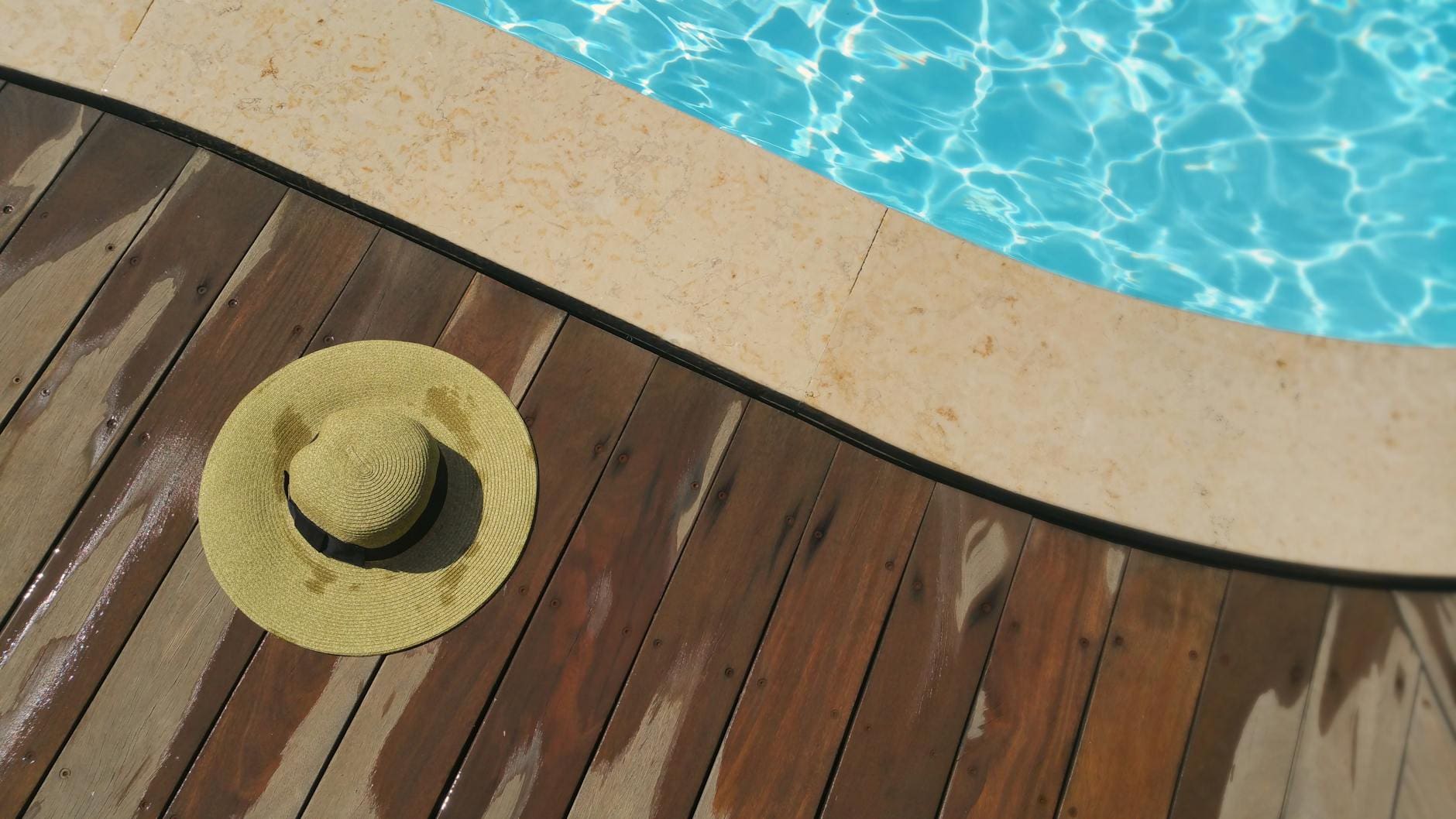
Why Travertine Pool Deck Cleaning in Arizona Should Start Before the Heat Hits
Your travertine pool deck has weathered months of monsoon rains, dust storms, and cooler temperatures. Now, with Arizona’s summer season approaching fast, it’s time to address the buildup you might not even notice yet. Travertine pool deck cleaning in Arizona isn’t just about aesthetics, it’s about protecting your investment before the intense UV exposure and daily pool traffic take their toll.
If you live in Scottsdale, Gilbert, or Paradise Valley, you already know how quickly outdoor stone can shift from pristine to problematic. The combination of hard water splashes, sunscreen residue, and desert dust creates a layer of grime that dulls the natural beauty of travertine. Left unaddressed, that buildup can lead to staining, surface degradation, and even safety concerns as algae or mildew take hold in Arizona’s heat.
Prepping your deck now means you’ll spend summer enjoying your pool, not scrubbing it. Here’s how to approach patio travertine cleaning in AZ the right way, and when it’s time to bring in a professional.
What Winter and Spring Leave Behind on Travertine
Even during Arizona’s milder months, your travertine pool deck is constantly exposed to elements that compromise its appearance and integrity. Dust settles into the porous surface. Rainwater carries minerals that leave behind deposits. If you have landscaping nearby, organic debris like leaves and pollen can stain the stone if not cleared regularly.
One of the most common issues we see across the East Valley is a white, chalky film on travertine and pavers. This is efflorescence, a mineral deposit that surfaces as water evaporates from the stone. It’s especially prevalent after winter rains. While it might seem harmless, this chalky buildup can indicate moisture penetration that weakens the stone over time if sealing has worn off.
You might also notice darkened areas where water pools, or discoloration around pool edges where chlorinated water splashes. These aren’t just cosmetic problems. They’re signs that your travertine needs attention before summer use intensifies the wear.
Hard Water Staining Around Pool Edges
Arizona’s notoriously hard water leaves mineral deposits on everything it touches. Around pool decks, you’ll often see white or rust-colored rings where water evaporates. These stains bond to travertine quickly, and the longer they sit, the harder they are to remove without professional-grade cleaners or equipment.
Organic Stains and Mildew Growth
In shaded areas or spots that stay damp longer, you may find dark stains from algae, mildew, or decomposing leaves. Travertine’s natural porosity makes it vulnerable to organic growth, especially in the spring when temperatures rise but moisture lingers. Once mildew sets in, it can spread quickly as summer heat and humidity create ideal conditions.
How to Assess Your Travertine Pool Deck Before Summer
Before you start any cleaning process, walk your entire deck and take note of problem areas. Look for discoloration, rough texture, visible stains, and any sections where the stone feels slick or appears darker than the rest. Run your hand across the surface. If it feels gritty or uneven, you’re dealing with more than surface dirt.
Check the grout lines or joints between travertine pavers. Are they cracked, missing, or filled with debris? Compromised joints allow water to seep beneath the stone, which can lead to shifting, settling, or further staining from below.
Pay close attention to sealing. If water no longer beads on the surface and instead soaks in immediately, your sealer has worn off. This is common in Arizona, where UV exposure and temperature swings break down sealers faster than in other climates. Without proper sealing, travertine cleaning and sealing becomes a more frequent necessity to prevent long-term damage.
DIY Cleaning Steps for Light Maintenance
If your travertine deck only has light dust and minor surface grime, you can handle basic cleaning yourself. Start by sweeping or blowing off all loose debris. Use a garden hose to rinse the entire surface, working from one end to the other to avoid pushing dirt into clean areas.
For a deeper clean, mix a pH-neutral stone cleaner with warm water according to the product instructions. Avoid acidic cleaners like vinegar or lemon juice, they can etch travertine and dull its finish. Apply the solution with a soft-bristle brush or mop, working in small sections. Scrub gently along the grain of the stone, then rinse thoroughly with clean water.
Let the deck dry completely before assessing whether you need a second pass. If stains persist or the stone still looks dull, that’s a sign the issue goes deeper than surface dirt. At that point, continuing to scrub on your own can do more harm than good, especially if you’re tempted to use a pressure washer without the right nozzle or technique.
When Professional Travertine Restoration Makes More Sense
There’s a clear line between routine maintenance and restoration work. If your travertine has deep stains, uneven coloring, or a rough texture from mineral buildup, DIY methods won’t restore it to its original condition. Professional travertine stain removal uses specialized equipment and pH-balanced cleaners designed to lift embedded grime without damaging the stone.
Homeowners in Paradise Valley and Gilbert often call us after attempting pressure washing on their own, only to find streaking, surface pitting, or worsened discoloration. Travertine is softer than many people realize, and high-pressure water can erode the surface or force water deep into the pores, leading to future problems.
Professional cleaning also includes proper sealing, which is essential in Arizona’s climate. A quality sealer protects against UV damage, hard water staining, and organic growth. It also makes future cleaning easier and extends the life of your deck significantly. If your travertine hasn’t been sealed in over two years, now is the time to address it before summer pool season begins in earnest.
Get Your Travertine Pool Deck Ready the Right Way
Your travertine pool deck should be a source of pride, not a maintenance headache. With the right prep work now, you can enjoy a clean, safe, and beautiful outdoor space all summer long. Whether you’re tackling light cleaning on your own or recognizing the need for professional restoration, acting before the heat arrives will save you time, effort, and potential repair costs down the road.
If your deck shows signs of deep staining, worn sealing, or surface damage, don’t wait until the problem gets worse. Professional travertine cleaning in Phoenix and the East Valley can restore your stone’s natural beauty and protect it for years to come. Reach out today to schedule a pre-summer assessment and give your pool deck the care it deserves.
Frequently Asked Questions
1. How much does travertine pool deck cleaning cost in Arizona?
Professional travertine pool deck cleaning in Arizona typically ranges from $2 to $5 per square foot depending on the condition of the stone and whether sealing is included. Most East Valley homeowners spend between $500 and $1,500 for a full deck restoration. Getting a free estimate helps you understand exactly what your deck needs before summer starts.
2. Can I pressure wash my travertine pool deck myself?
While you can use a pressure washer on travertine, it requires the right nozzle, pressure setting, and technique to avoid damaging the stone. Too much pressure can pit the surface, force water into the pores, or create uneven streaking. If you’re unsure about your equipment or experience level, professional cleaning is safer and more effective.
3. How often should I seal my travertine pool deck in Scottsdale?
In Scottsdale and across the East Valley, travertine pool decks should be resealed every 1 to 2 years due to intense UV exposure and temperature extremes. If water no longer beads on the surface, your sealer has worn off and it’s time to reseal. Regular sealing prevents staining, protects against hard water damage, and keeps your deck looking fresh.
4. What causes white chalky buildup on travertine around my pool?
That white chalky film is efflorescence, caused by mineral salts rising to the surface as water evaporates from the stone. It’s common after rain or in areas with hard water splashing. While it looks like a surface issue, it often signals that your sealer has failed and moisture is penetrating the travertine.
5. Where can I find travertine pool deck cleaning near me in the East Valley?
AZ Tile & Grout serves Mesa, Gilbert, Scottsdale, Phoenix, Tempe, and surrounding East Valley communities with professional travertine cleaning and sealing services. We specialize in restoring outdoor stone surfaces and preparing pool decks for Arizona’s demanding summer conditions. Contact us for a free estimate and same-week service availability.
Ready to restore your travertine pool deck before summer? Schedule professional travertine cleaning in Phoenix and the East Valley today. Our team will remove stains, reseal your deck, and protect your investment so you can enjoy a beautiful outdoor space all season long.
Written by Alison Claerhout, CEO and professional tile & stone specialist serving the Phoenix suburbs for over a decade. Learn more about Alison’s expertise in natural stone restoration and care.
0 Comments