
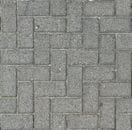
What Monsoon Season Does to Your Pavers
If you’ve lived in Arizona long enough, you know what happens after the first monsoon hits. You walk outside to your once-pristine patio and find it coated in a thick layer of dust, dirt, and debris. Monsoon season paver cleaning in Arizona isn’t just about aesthetics, it’s about protecting your outdoor investment from the unique wear patterns caused by dust storms, flash flooding, and rapid temperature swings.
Between June and September, Arizona’s monsoon storms roll through the East Valley with powerful winds, sudden downpours, and airborne desert dust. Your pavers absorb all of it. Dust settles into the joints, water deposits minerals across the surface, and organic debris like leaves and seeds get trapped in crevices. Left untreated, this buildup leads to staining, efflorescence, and premature wear.
Homeowners in Mesa, Gilbert, and Scottsdale see this cycle every summer. The question isn’t whether your pavers need attention after a monsoon, it’s how soon you address it and whether you tackle it yourself or call in professionals who understand Arizona’s climate challenges.
Why Dust Storms Leave More Than Just Dirt
Arizona dust storms, known locally as haboobs, don’t just coat your pavers with a light layer of dirt. These storms carry fine particulate matter that works its way deep into paver joints and porous surfaces. When the next rain hits, that dust turns into a muddy paste that hardens as it dries, creating stubborn stains that won’t rinse away with a garden hose.
You’ll also notice a white, chalky residue forming on darker pavers. That’s efflorescence, a mineral deposit left behind when water evaporates from the surface. Arizona’s hard water makes this worse. The minerals bond to the paver surface, and over time, they can etch into unsealed stone. Understanding why white chalky buildup appears on outdoor pavers helps you recognize when cleaning alone won’t be enough.
Dust also accelerates wear on sealed pavers. The abrasive particles scratch the sealant layer with every windstorm, reducing its protective lifespan. If your pavers were sealed before monsoon season, you might notice the finish looking dull or patchy by late summer.
The Right Way to Clean Pavers After a Monsoon
Start by clearing loose debris. Sweep or blow off leaves, twigs, and surface dust before introducing water. This prevents you from grinding dirt deeper into the joints during the cleaning process.
Next, rinse the pavers with a garden hose to remove the top layer of dust. For most Arizona patios, this step reveals just how much buildup remains underneath. You’ll see discoloration, staining, and residue that plain water won’t touch.
When a Pressure Washer Isn’t the Answer
Many homeowners reach for a pressure washer after a monsoon, but high-pressure water can do more harm than good. It can erode joint sand, chip softer pavers like travertine, and drive water deep into the base layer where it doesn’t belong. Paver cleaning and pressure washing aren’t the same thing, and knowing the difference protects your outdoor surfaces from unnecessary damage.
Professional paver cleaning in Mesa and throughout the East Valley uses controlled pressure, proper cleaning agents, and techniques designed for Arizona’s paver materials. Travertine, flagstone, and concrete pavers all require different approaches. What works on a driveway might strip the finish off a pool deck.
How to Address Stubborn Stains and Mineral Deposits
Once you’ve rinsed away the surface layer, you’re left with the real challenge: embedded stains, mineral deposits, and discoloration that won’t budge with water alone. This is where most DIY efforts stall out.
For light efflorescence, you can try a diluted vinegar solution or a pH-neutral cleaner designed for natural stone. Apply it to a small test area first, especially if your pavers are travertine or limestone. Acidic cleaners can etch softer stone if left on too long or used at the wrong concentration.
Oil stains from grills or planters require a degreaser, and organic stains from leaves or algae need a different approach entirely. If you’re dealing with multiple stain types across your patio, it’s easy to overcomplicate the process or use the wrong product in the wrong spot. Professional cleaners assess the stain type, paver material, and existing sealant before choosing a treatment method.
Hard water staining is especially persistent in Phoenix and the East Valley. The minerals don’t just sit on the surface, they bond to it. Removing them without damaging the paver or stripping the sealant takes experience and the right tools. If your pavers look dull or streaky even after cleaning, that’s a sign the minerals have etched into the surface.
When to Reseal After Monsoon Season
If your pavers were sealed before the summer, monsoon season likely took a toll on that protective layer. Dust abrasion, UV exposure, and water saturation all degrade sealant over time. By late summer, many Arizona patios need resealing to restore protection and appearance.
Before you reseal, the surface must be completely clean and dry. Any dirt, efflorescence, or moisture trapped under a new sealant layer will cause bonding issues, cloudiness, or premature failure. This is why timing matters. You want to clean after the monsoon storms taper off, then allow enough drying time before applying a fresh seal.
Most Arizona homeowners benefit from professional sealing after a thorough post-monsoon cleaning. The process involves more than rolling on a coat of sealant. It requires surface prep, joint stabilization, and choosing the right product for your specific paver type and sun exposure. Sealing pavers in Arizona’s climate isn’t a one-size-fits-all task, and doing it wrong can leave you with a hazy finish or peeling sealant by the following spring.
Let the Experts Handle the Heavy Lifting
Monsoon season is tough on Arizona outdoor spaces, and your pavers take the brunt of it. While you can handle basic sweeping and rinsing, deep cleaning and resealing require specialized equipment, knowledge of local conditions, and an understanding of how different paver materials respond to Arizona’s climate.
If your patio, pool deck, or driveway looks worse for wear after this summer’s storms, don’t wait until the damage becomes permanent. Professional paver cleaning in Mesa restores your outdoor surfaces and extends their lifespan, so you can enjoy your space without worrying about stains, fading, or premature wear.
Ready to restore your pavers after monsoon season? Contact AZ Tile & Grout today to schedule your post-monsoon paver cleaning and sealing service. We’ll bring your outdoor space back to life.
Frequently Asked Questions
1. How soon after a monsoon should I clean my pavers in Arizona?
You should clean your pavers within a week or two after the last major storm passes through. Waiting too long allows dust and mineral deposits to bond to the surface, making them harder to remove. If you’re in the middle of monsoon season, a light rinse between storms helps, but save the deep cleaning for when the weather pattern shifts.
2. Can I pressure wash my pavers myself after monsoon season?
You can, but it’s risky if you don’t know the right pressure settings for your specific paver material. Too much pressure erodes joint sand, damages softer stone like travertine, and forces water into the base layer. A professional cleaning uses controlled methods that won’t harm your investment while still removing embedded dirt and stains.
3. What’s the white residue on my pavers after it rains in Phoenix?
That white, chalky buildup is efflorescence, caused by mineral salts rising to the surface as water evaporates. Phoenix’s hard water makes this worse. You can try a diluted vinegar solution on a test spot, but if the minerals have etched into unsealed pavers, you’ll need professional treatment and resealing to prevent it from returning.
4. How much does professional paver cleaning cost in Mesa after monsoon season?
Cost depends on your paver type, square footage, and the level of staining or damage. Most homeowners in Mesa and the East Valley pay between a few hundred to over a thousand dollars for a full cleaning and resealing service. Getting a free estimate helps you understand what your specific patio needs without guessing.
5. Do I need to reseal my pavers every year in Arizona?
Not necessarily every year, but Arizona’s intense sun and monsoon cycles wear down sealant faster than in other climates. Most sealed pavers benefit from resealing every two to three years. If your pavers look dull, absorb water quickly, or show fading after this summer’s storms, it’s time to reseal.
Keep your outdoor space looking its best year-round. Schedule your post-monsoon paver cleaning in Mesa with AZ Tile & Grout and protect your investment from Arizona’s toughest weather. Get your free estimate today.
Written by Alison Claerhout, CEO and professional tile & stone specialist serving the Phoenix suburbs. With years of hands-on experience restoring pavers and natural stone across the East Valley, Alison understands what Arizona homeowners need to protect their outdoor investments. Learn more about Alison’s expertise.
0 Comments