
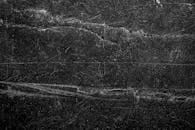
Why Your Marble Floors Look Dull and Damaged
You invested in marble floors for their elegance and timeless appeal. Now you’re staring at dull spots, cloudy rings, and fine scratches that seem to appear out of nowhere. You’re not imagining it. Marble floors etch and scratch more easily than most homeowners expect, and understanding why this happens is the first step toward protecting your investment.
Marble is a calcium-based natural stone, which makes it vulnerable to acid damage and surface wear. In Arizona homes, where hard water, desert dust, and high-traffic living are the norm, marble faces unique challenges. Every spilled drink, tracked-in sand particle, and cleaning product you use can either preserve or damage your floors.
What Causes Marble Etching
Etching occurs when acidic substances chemically react with the calcium carbonate in marble, dissolving the surface and leaving dull, lighter-colored marks. This isn’t a stain you can wipe away. It’s actual surface damage that changes the stone’s texture and appearance.
Common culprits in Scottsdale and Gilbert homes include citrus juices, wine, vinegar-based cleaners, and even some bathroom products. One spill left sitting for just a few minutes can create permanent etching. Arizona’s hard water adds another layer of complexity, as mineral deposits can interact with acidic residues and accelerate surface damage.
You’ll recognize etching as light, cloudy spots that feel slightly rough to the touch. Unlike stains that sit on top of the stone, etched areas have lost their polish at a microscopic level. The damage might start small, a ring from a glass or a splash near the kitchen sink, but it compounds over time as you continue using the same cleaning methods or products.
Household Products That Damage Marble
Most conventional cleaners are too harsh for marble. Products containing ammonia, bleach, or citrus oils will etch the surface with repeated use. Even pH-neutral cleaners marketed as “all-purpose” often contain ingredients that gradually dull marble’s finish.
Arizona homeowners frequently discover damage after using popular cleaning solutions they assumed were safe. The same products that work beautifully on tile and grout can destroy marble’s polished surface. This is why proper marble cleaning techniques require specialized knowledge and pH-appropriate products.
Why Marble Scratches So Easily
Marble ranks between 3 and 5 on the Mohs hardness scale, making it softer than granite and significantly more prone to scratching. Desert sand tracked in from outside, grit from shoes, and even pet claws can leave visible marks on polished marble surfaces.
In high-traffic areas like entryways and kitchens, you’ll notice scratch patterns developing along common walking paths. These fine lines catch light differently than the surrounding polished surface, creating a worn, tired appearance. The scratches aren’t just cosmetic, they create tiny grooves where dirt and bacteria can accumulate.
How Professional Restoration Reverses the Damage
Professional marble restoration uses a multi-step process to remove etching and scratches without replacing your floors. Technicians start with diamond abrasives to grind away damaged surface layers, progressively moving through finer grits to smooth the stone. This mechanical process removes etching and shallow scratches at the molecular level.
After grinding, polishing compounds and specialized equipment restore the mirror-like finish marble is known for. The process requires precision and experience, over-polishing or using incorrect grit sequences can create new problems. Expert marble restoration in Mesa addresses both surface damage and underlying issues like lippage or uneven wear patterns common in Arizona homes.
Sealing follows restoration to create a protective barrier against future etching and staining. Quality sealers don’t prevent scratches, but they buy you time to clean up spills before they penetrate or etch the surface. In Gilbert’s hard water environment, proper sealing also reduces mineral buildup that can dull your floors between professional services.
Protecting Your Investment Long-Term
Prevention starts with the right cleaning routine. Use only pH-neutral cleaners specifically formulated for natural stone. Place mats at entryways to catch desert sand and grit before it reaches your marble. Felt pads under furniture legs prevent scratching when you move chairs or tables.
Address spills immediately, especially anything acidic. Blot rather than wipe to avoid spreading the liquid across a larger area. For daily maintenance, dust mop or vacuum with a soft brush attachment to remove abrasive particles that cause micro-scratches over time.
Resealing every 12 to 18 months maintains your marble’s protective barrier, though high-traffic areas may need more frequent attention. Professional cleaning and inspection catch minor damage before it becomes extensive, saving you from costly full restoration down the road.
When to Call Arizona Marble Specialists
If you’re seeing widespread etching, deep scratches, or dullness across large areas, DIY methods won’t restore your floors. Professional restoration becomes the smarter investment when damage affects your home’s appearance or you’re preparing to sell. Scottsdale buyers expect flawless marble in luxury homes, and visible damage impacts perceived value.
Ready to restore your marble floors to their original beauty? AZ Tile & Grout’s marble polishing services in Scottsdale bring back the mirror finish you fell in love with. Our technicians understand Arizona’s unique challenges and use proven restoration techniques that extend the life of your natural stone investment.
Frequently Asked Questions
1. Why do marble floors etch and scratch more in Arizona homes?
Arizona’s hard water leaves mineral deposits that interact with acidic spills, accelerating etching. Desert sand and grit tracked indoors constantly scratch marble’s soft surface. The combination of these environmental factors makes marble more vulnerable here than in other climates.
2. Can I fix etched marble floors in Scottsdale myself?
Minor etching might respond to DIY polishing kits, but most homeowners lack the equipment and technique to achieve professional results. Incorrect methods can worsen damage or create uneven finishes. Professional restoration uses diamond abrasives and precision polishing to properly remove etching without harming surrounding areas.
3. How much does marble floor restoration cost near me?
Costs vary based on damage severity, square footage, and whether you need grinding, polishing, or just resealing. Most East Valley projects range from a few hundred to several thousand dollars. Contact us for a free marble floor restoration assessment and we’ll gives you an accurate quote based on your specific floors and condition.
4. How often should I seal marble floors in Gilbert?
Seal every 12 to 18 months for standard traffic areas. High-traffic zones like kitchens and entryways may need resealing annually. Hard water in Gilbert can break down sealers faster, so test your floors by placing water drops on the surface—if they absorb within minutes, it’s time to reseal.
5. What’s the difference between etching and staining on marble?
Etching is surface damage from acid that leaves dull, rough spots you can feel. Staining occurs when liquids penetrate unsealed marble and discolor it from within. Etching requires polishing to fix, while stains need poultice treatments or professional extraction.
Don’t let etched and scratched marble diminish your home’s beauty. Contact AZ Tile & Grout today for expert marble restoration throughout the East Valley. We’ll assess your floors, explain your options, and restore the elegant finish you deserve.
Written by Alison Claehout, CEO and professional tile and stone specialist serving the Phoenix suburbs. With years of expertise in natural stone care, Alison helps homeowners protect their investments. Learn more about Alison’s approach to stone restoration.
0 Comments