
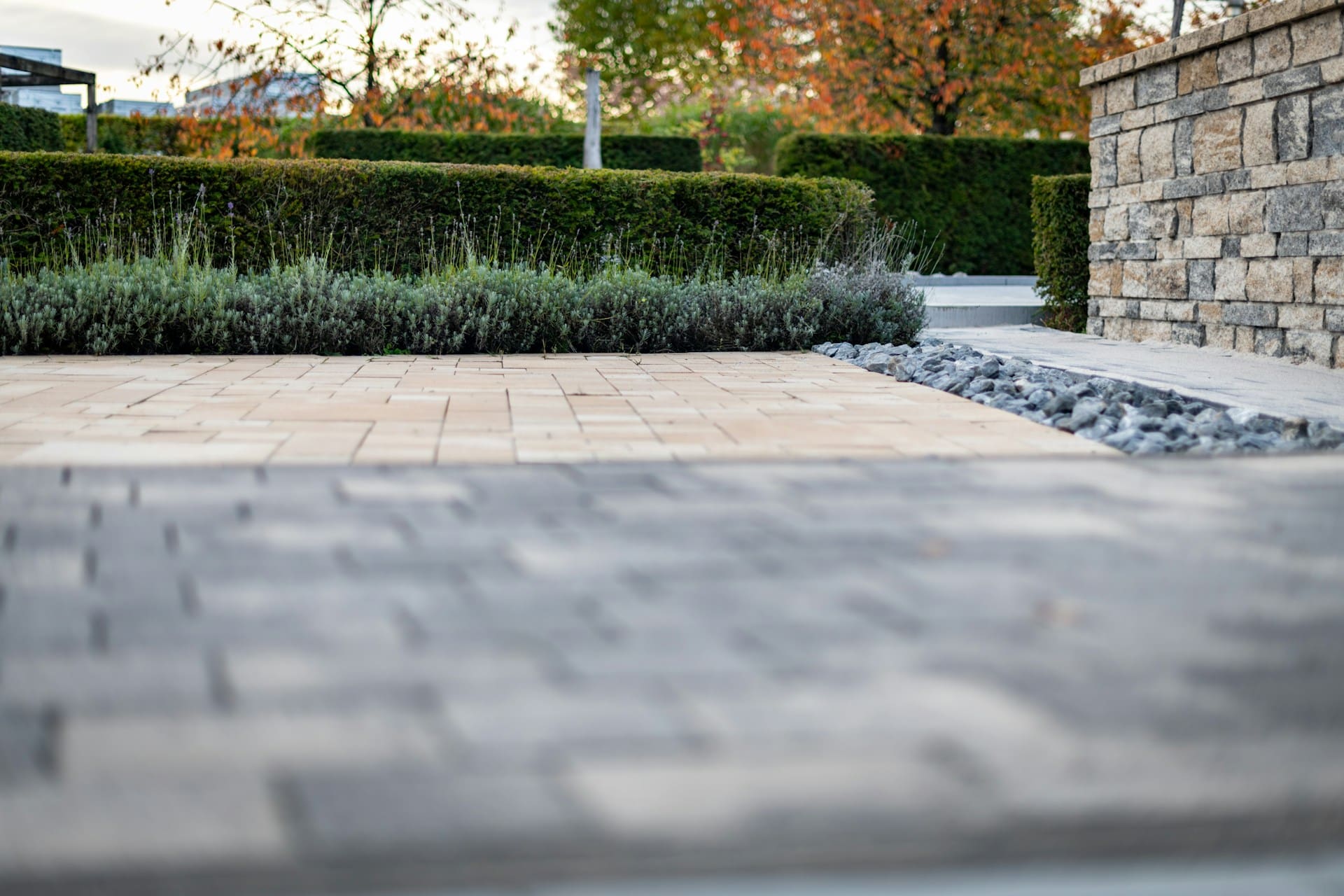
Outdoor pavers in Phoenix can start looking chalky or powdery during winter. After the holidays, when the weather turns cooler and patios sit unused, white marks or flakes often appear across the surface. At first glance, it might look like leftover dust. But it’s actually something else.
This buildup isn’t dirt. It’s a common issue that happens when moisture and minerals rise through the stone or concrete. As it dries, it leaves a white coating behind. Knowing what causes this problem can help keep patios, walkways, and driveways clean and long-lasting. When paver cleaning in Phoenix is done regularly and correctly, we can slow that chalky stuff from coming back too soon.
What That White Chalky Stuff Really Is
That white film showing up on pavers during winter has a name. It’s called efflorescence. While the word might sound technical, it really just means mineral salt deposits that rise to the surface.
Here’s how it forms:
- Moisture moves through concrete or stone and grabs tiny bits of salt or minerals
- Once that water reaches the surface and dries, those minerals stay behind
- They settle as a fine white dust, flaky film, or a powdery patch
You’ll usually see it more after the rain or if you’ve been watering nearby plants. It’s not dangerous. And it doesn’t mean your pavers are ruined. But it can make your space look dull or patchy. Left alone for a long time, it might start eating into the material, especially if it mixes with other stuff like dirt or oils.
A common mistake is thinking it just needs a quick sweep or rinse. The truth is, what’s showing up on top might just be the start of it.
How Phoenix Winter Weather Makes It Worse
Winters around Phoenix are mild, but they come with their own set of challenges for outdoor surfaces. We don’t always think about moisture here, but during colder months, the ground doesn’t dry as fast.
Cool nights followed by warm afternoons mean moisture doesn’t fully evaporate. That daily swing in temperature encourages water to move through paver surfaces and bring minerals with it.
Here’s what often happens during a Phoenix winter:
- The ground cools overnight, pavers stay damp longer
- Afternoon sun warms them up quickly, pushing moisture upward
- Winter rain or lawn watering adds more water to the mix
If the pavers are unsealed, they tend to absorb more water from below or around the sides. Even sealed pavers can react if the seal is worn or old. Over time, if not cleaned properly, those white marks can become hard to remove.
Hidden Causes Behind the Buildup
When white chalky spots show up, it helps to look at what’s happening nearby. Sometimes the cause isn’t just the weather.
A few things that make efflorescence worse include:
- Sprinklers or irrigation that over-water the edges of patios, leaving them damp for too long
- Drainage issues that cause water to sit on or under the surface
- Shaded corners or areas near planters that dry more slowly
- Old construction dust or sand leftover from past work that leaves behind salty residue
You might notice that one part of the yard gets more buildup than others. That area probably dries out slower or holds water longer. Sometimes even a crack between pavers can pull in moisture and start the process again.
The cycle keeps going as long as there’s moisture underneath and minerals in the material. That’s why it seems to go away for a bit, then return, especially during weather changes or after rains.
Why Scrubbing Isn’t Always Enough
It’s tempting to grab a hose or pressure washer when those white marks show up. But scrubbing without the right approach can lead to rough spots or scratches, especially on stone pavers.
Here’s why home cleaning sometimes falls short:
- Pressure washing might force more water deep into the surface, starting the problem again
- Harsh cleaners could damage delicate finishes or make stains worse
- Sweeping just moves the powder around without addressing mineral buildup below
Efflorescence needs more care than a quick spray. It’s not only about wiping off what’s visible. The goal is to stop that flow of moisture pulling minerals to the surface. That’s where professional paver cleaning in Phoenix can make a big difference. Having the right cleaning and drying methods helps reset the surface and slow down the stain cycle. For our outdoor patio and paver work in Phoenix, we use truck mounted cleaning units that deliver 200 degree water at carefully adjusted pressure and vacuum the dirty water and cleaning solution out of the pores of the stone.
Pavers come in lots of materials, concrete, natural stone, brick, and each one reacts a little differently. Knowing the type of surface helps figure out the best way to clean it without damage.
Goodbye Chalky Spots, Hello Clean Patio
That white, powdery stain on your pavers isn’t strange. It happens a lot in winter around Phoenix and nearby cities like Mesa. Mix in rain, watering, and cooler nights, and white buildup becomes pretty common on patios and driveways.
But the good news is it doesn’t last forever. We’ve seen these stains show up, and we know they come from water carrying mineral salts to the surface. Cleaning them the right way helps keep pavers looking fresh and strong all year. After a professional cleaning, applying a quality sealer makes the stone more resistant to future stains and helps guard against salt damage, acid erosion, and algae growth. Manufacturers recommend having outdoor pavers professionally cleaned about once a year and resealed every three to five years so they hold up better through winter weather.
If we catch the source early, it’s easier to treat. When buildup returns again and again, it usually means the surface needs a little more than a wipe. Identifying where the moisture starts and slowing it down gives your outdoor space a better chance to stay clean through the winter season.
White buildup on outdoor pavers can feel frustrating, especially when it keeps coming back during our cooler Phoenix months. Tackling the root of the problem often means looking beyond the surface and treating the pavers with the right approach. If you’re seeing signs of efflorescence and want a deeper clean that lasts, we can help. Learn how we handle paver cleaning in Phoenix with methods that protect your patio from long-term damage. Contact AZ Tile & Grout Cleaning today to get started.
0 Comments