
Why Your Grout Lines Are Turning Black (And What It Really Means)
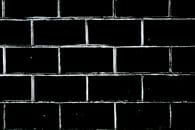
You’ve noticed it. Those once-light grout lines in your kitchen or bathroom are now dark, almost black in places. Maybe it started in the corners of your shower. Maybe it’s spreading across your tile floor. And now you’re wondering: what causes grout to turn black, and more importantly, is that mold?
If you’re seeing black grout lines in your Mesa or Gilbert home, you’re not alone. Dark grout discoloration is one of the most common issues Arizona homeowners face, especially in high-moisture areas like showers, entryways, and kitchens. The good news is that understanding why it happens is the first step toward fixing it for good.
The Main Culprits Behind Black Grout Discoloration
Grout doesn’t turn black overnight. It’s a gradual process driven by a combination of moisture, dirt, and biological growth. Here’s what’s really going on beneath the surface.
Mold and Mildew Growth
This is the big one. Black grout mold thrives in damp, poorly ventilated spaces. If your grout is in a shower, around a tub, or near a sink, moisture is constantly present. Grout is porous, which means it absorbs water. When that water doesn’t dry completely, mold spores settle in and multiply.
In Arizona homes, this is especially common in master bathrooms with large walk-in showers or garden tubs. Even with exhaust fans running, humidity can linger long enough for mold to take hold. You’ll often see it first in corners, along the floor, or where tile meets the wall.
Dirt and Soap Scum Buildup
Not all dark grout is mold. Sometimes it’s just years of accumulated grime. In kitchens and entryways, foot traffic grinds dirt deep into grout lines. In showers, soap scum, body oils, and hard water minerals layer on top of each other, creating a dark, sticky residue that looks black but isn’t necessarily biological.
Arizona’s hard water makes this worse. Minerals in the water bond with soap and oils, creating a stubborn film that regular mopping won’t touch. Over time, this buildup darkens and hardens, making your grout look permanently stained.
Unsealed or Damaged Grout
Grout should be sealed after installation and resealed periodically. When it’s not, it becomes a sponge for everything: water, dirt, oils, cleaning products, even spilled coffee. Unsealed grout in high-traffic areas will darken faster than sealed grout because there’s no protective barrier.
If your grout is cracked or crumbling, the problem accelerates. Water seeps into the substrate beneath the tile, creating an environment where mold can grow out of sight. By the time you see black lines on the surface, the issue may already extend below.
How to Tell If It’s Mold or Just Dirt
Here’s a quick test. Spray the dark grout with a mixture of water and white vinegar or a mild bleach solution. Let it sit for a few minutes, then scrub with a stiff brush. If the discoloration lifts easily, it’s likely surface dirt or soap scum. If it barely budges or comes back quickly, you’re dealing with mold or deeply embedded staining.
Mold also has a distinct musty smell, especially in enclosed spaces like showers. If your bathroom smells off even after cleaning, that’s a strong indicator of mold growth within the grout or tile substrate.
For homeowners in Scottsdale or Tempe dealing with persistent dark grout in showers or kitchens, professional grout cleaning can identify the root cause and treat it properly, rather than just masking the symptoms with surface scrubbing.
Why Arizona Homes Are Especially Prone to Grout Discoloration
You might think Arizona’s dry climate would protect against mold, but the reality is more nuanced. While outdoor humidity is low, indoor moisture from showers, cooking, and even evaporative coolers creates pockets of high humidity. Combine that with dust storms that coat everything in fine particles, and you have the perfect recipe for dirty, dark grout lines.
Desert dust is particularly problematic. It’s finer than typical dirt and works its way into grout faster. After monsoon season or a haboob, many East Valley homeowners notice their tile floors look dirtier than usual, even right after mopping. That’s because the dust has settled into the grout, where regular cleaning can’t reach it.
When to Stop Scrubbing and Call a Professional
If you’ve tried scrubbing your grout with store-bought cleaners and the black discoloration keeps coming back, it’s time to consider professional intervention. DIY methods can remove surface-level dirt, but they rarely address embedded mold, deep staining, or compromised grout integrity.
Professional tile and grout cleaning uses high-pressure steam and specialized cleaning agents that penetrate deep into grout pores. This process doesn’t just clean the surface, it extracts contaminants from within the grout structure. For mold, this is critical. Surface cleaning may kill visible spores, but if the roots remain embedded, the problem will return within weeks.
Another sign you need professional help is if your grout is crumbling or cracked. No amount of scrubbing will fix structural damage. In these cases, grout repair or replacement may be necessary before sealing can protect the area long-term. Professionals can assess whether your grout needs cleaning, sealing, or full restoration.
For homeowners in Gilbert or Mesa dealing with persistent black grout in showers or kitchens, professional shower tile cleaning can restore your surfaces and apply a protective seal that prevents future discoloration.
Protecting Your Grout After It’s Clean
Once your grout is clean, keeping it that way requires a proactive approach. Sealing is non-negotiable. A quality grout sealer creates a barrier that repels water, dirt, and oils, making routine cleaning far more effective. In Arizona’s climate, resealing every one to two years is recommended, especially in high-moisture areas.
Ventilation also matters. Run your bathroom exhaust fan during and after showers to reduce humidity. Wipe down shower walls and floors after use to minimize standing water. In kitchens, clean spills promptly and avoid letting water pool around tile floors.
Regular maintenance cleaning with pH-neutral products will help preserve your grout without breaking down the sealer. Harsh chemicals and acidic cleaners can erode grout over time, making it more porous and vulnerable to staining.
Restore Your Grout and Keep It Clean for Good
Black grout doesn’t have to be permanent. Whether it’s mold, dirt, or a combination of both, professional cleaning can restore your tile and grout to like-new condition. If you’re tired of scrubbing with no results, or if you’re concerned about mold growth in your home, it’s time to bring in the experts.
AZ Tile & Grout specializes in deep cleaning, mold removal, and grout sealing for homes throughout the East Valley. We’ll identify the cause of your grout discoloration, treat it at the source, and protect your surfaces so the problem doesn’t return. Contact us today for a free inspection and see what clean grout really looks like.
Frequently Asked Questions
1. What causes grout to turn black in my shower?
Black grout in showers is usually caused by mold or mildew growth from constant moisture exposure. Grout is porous and absorbs water, creating an ideal environment for mold spores to settle and multiply. Poor ventilation and unsealed grout make the problem worse.
2. Can I clean black grout myself or do I need a professional in Mesa?
You can try cleaning surface dirt with vinegar or mild bleach solutions, but deeply embedded mold or staining typically requires professional equipment. If scrubbing doesn’t work or the discoloration returns quickly, professional grout cleaning will address the root cause and prevent recurrence.
3. How do I know if my black grout is mold or just dirt?
Spray the grout with a water and vinegar solution, let it sit, then scrub. If it lifts easily, it’s likely dirt or soap scum. If it barely moves or smells musty, you’re dealing with mold that has penetrated below the surface.
4. How much does professional grout cleaning cost near me?
Professional grout cleaning costs vary based on square footage and grout condition, but most East Valley homeowners find it more affordable than replacing tile. You’ll also get deep cleaning, mold treatment, and sealing that DIY methods can’t match.
5. How often should I seal my grout to prevent it from turning black?
In Arizona homes, grout should be resealed every one to two years, especially in showers and high-moisture areas. Sealing creates a protective barrier that repels water, dirt, and mold, making routine cleaning far more effective.
Ready to restore your grout and eliminate black discoloration for good? AZ Tile & Grout serves Mesa, Gilbert, Scottsdale, and the entire East Valley with professional tile and grout cleaning, mold removal, and sealing services. Schedule your free inspection today and see the difference expert care makes.
Written by Alison Claehout, CEO and professional tile & stone specialist serving the Phoenix suburbs. With years of hands-on experience in tile and grout restoration, Alison helps homeowners maintain beautiful, healthy surfaces. Learn more about Alison.e32
0 Comments