
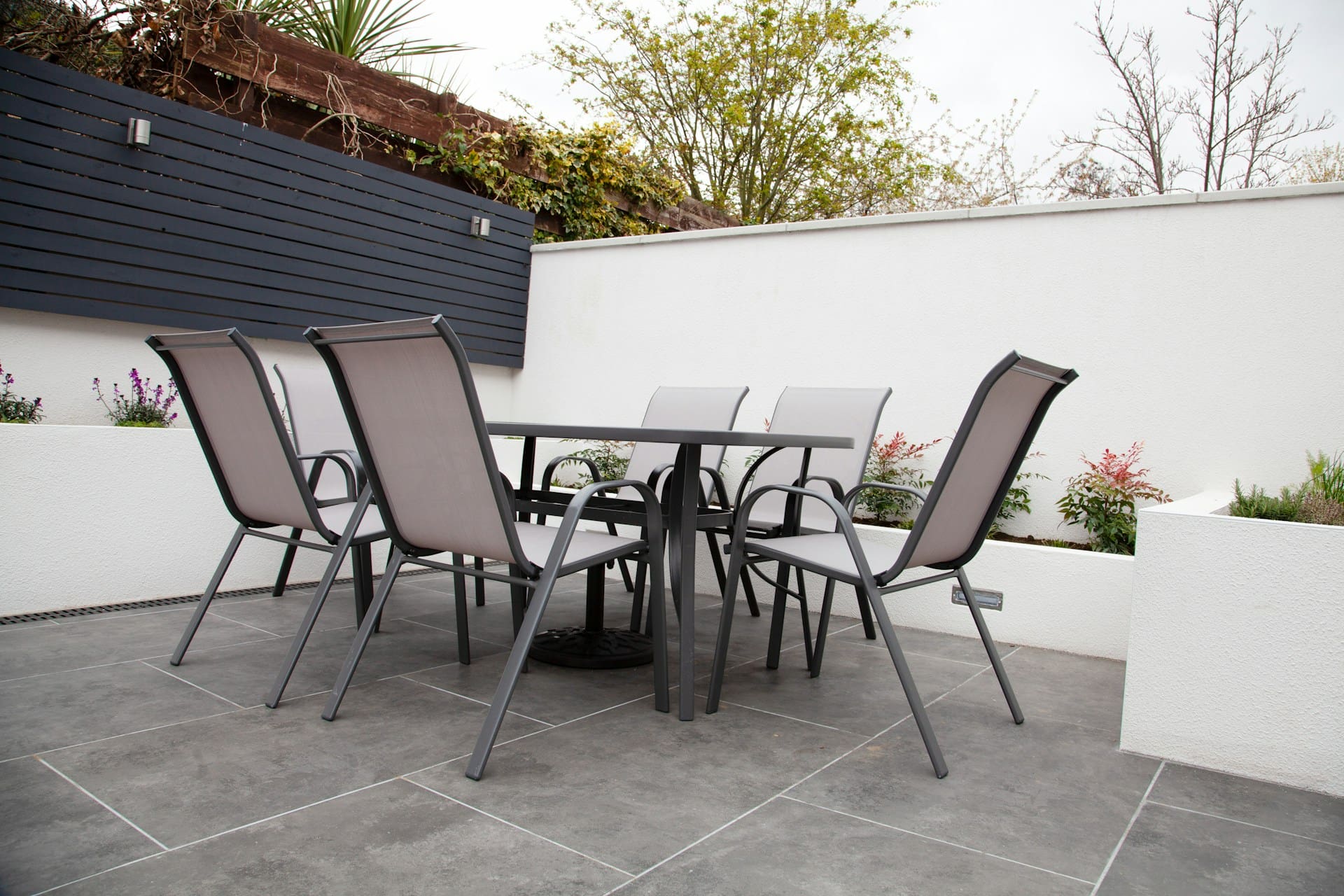
Oil stains on pavers can be a frustrating sight, especially when they show up on patios, driveways, or around outdoor kitchen areas. These spaces are meant to feel clean and welcoming, and dark patches from cooking grease or motor oil can take away from that. In dry places like Phoenix, warm winter temperatures and plenty of sunshine don’t just make stain cleanup harder, they can actually bake the oil deeper into the surface. That’s why acting early matters.
The longer oil sits, the harder it becomes to remove. It doesn’t just stay on top of your pavers, it sinks into them. Once absorbed, stains can spread below the surface, requiring more than a quick scrub. This guide walks through what causes these stains, why DIY doesn’t always work, and how proper paver cleaning in Phoenix can keep your outdoor spaces looking their best throughout the year.
What Causes Oil Stains on Pavers
Pavers are porous, which means they soak in whatever lands on them, especially oil. Driveways catch leaks from parked vehicles. Patios often see spilled oil from grilling or eating outside. Even outdoor kitchens are at risk from cooking sprays, drips from pans, or knocked-over bottles.
In the Phoenix area, these stains can settle in fast. February is still warm enough for strong sun, and once sunlight heats the oil, it thins out and spreads across the surface before soaking in. That heat, combined with dry desert air, creates the perfect setting for oil to leave a lasting mark.
- Vehicle leaks are a big source, especially if cars sit for long periods
- Cooking oil from grills or fryers can drip and stay unnoticed
- Leaky containers of motor oil, polish, or cleaners add to the risk
When pavers absorb any of these liquids, they pull the oil underneath the surface, where basic cleaning tools can’t easily reach.
Why DIY Cleaners Don’t Always Work
It’s tempting to reach for a bottle of dish soap or baking soda and try to clean it yourself. And for surface-level gunk, that might help. But oil that has already soaked in needs more than a basic scrub. Many household degreasers aren’t strong enough or can leave behind stains of their own.
Some cleaners are too powerful. They might damage the finish on your pavers or bleach out part of the surface. That can make the area look worse than before. Depending on the material, whether it’s concrete, travertine, or another type of natural stone, a cleaner that works fine on one surface can ruin another.
- Certain cleaners raise other problems too:
- Baking soda can help with smells but doesn’t pull out oil
- Vinegar is acidic and may etch paver surfaces
- Some degreasers lift the stain but push it deeper into the pores
This is where material matters. Travertine and limestone, for example, are softer than concrete and need different handling. Knowing what your pavers are made of helps avoid costly mistakes and wasted time.
How Professionals Safely Remove Oil Stains
Oil stains that have traveled below the surface need more advanced tools to get out. That’s where professional cleaning approaches come in. Instead of hoping a basic scrub will do the trick, we use strong but safe degreasers designed to pull oil upward. These products don’t just push oil around, they absorb it.
Hot water extraction is another common method. It uses steam or very hot water to reheat the paver, making it easier to lift the oil. Pressure washing may also help, but only if it’s done at the right setting. Too much pressure can damage the surface or chip away the seal. Experience matters here, since each type of paver responds differently.
- Degreasers break down oils without harming paver material
- Hot water systems help bring oil back to the surface
- Low-pressure rinsing helps clear away residue without damage
We know how deep the stain goes and can plan accordingly. A light oil mark from last week takes less effort than months-old oil spread across several pavers. Getting the job done right the first time helps protect your outdoor spaces for the long run.
Preventing Future Stains on Your Pavers
Once oil is out, it’s smart to think about how to keep it from coming back. Paver sealing is often a good place to start. A proper seal creates a barrier on the surface, making the material less absorbent. That means spills stay on top longer, giving you time to blot them up before they sink in.
Habits help too. Placing grill mats under your barbecue or fryer, checking cars for leaks, and wiping up spills right away are easy changes that go a long way. For outdoor kitchens, consider keeping cooking sprays or oils stored in sealed containers when not in use.
Here are a few more tips we’ve seen work well in Phoenix and Mesa:
- Rinse pavers every few weeks during dry months to check for stains
- Schedule cleaning or re-sealing before summer heat kicks in
- Watch for oil spots after gatherings or after winter garage prep
Making paver care part of your home routine keeps everything looking cared for and clean.
Protect Your Outdoor Surfaces in Phoenix
Oil stains may start small, but over time, they can become embedded, more difficult to treat, and more visible. In the Phoenix climate, the combination of high temperatures and prolonged sun exposure increases the urgency to address stain buildup right away. Professional cleaning with specially formulated solutions and the right extraction equipment, like those we use at AZ Tile & Grout Cleaning, ensures each type of paver or natural stone is treated safely and thoroughly.
As a family-owned company serving Phoenix since 2001, we provide expert oil stain removal, sealing, and routine surface care for patios, driveways, and many outdoor spaces. Our experienced technicians use professional methods suited to concrete, brick, travertine, slate, and natural stone pavers, so you can be confident every job is handled with care and knowledge.
Keeping outdoor surfaces clean takes more than seasonal rinsing, especially when oil stains take hold. When patios, driveways, or outdoor kitchens have buildup that regular scrubbing can’t fix, we can help. We use safe, effective methods for paver cleaning in Phoenix that reach deep into the surface without harming the material. At AZ Tile & Grout Cleaning, our goal is to make outdoor spaces easier to maintain. Contact us today to schedule an appointment.
0 Comments