
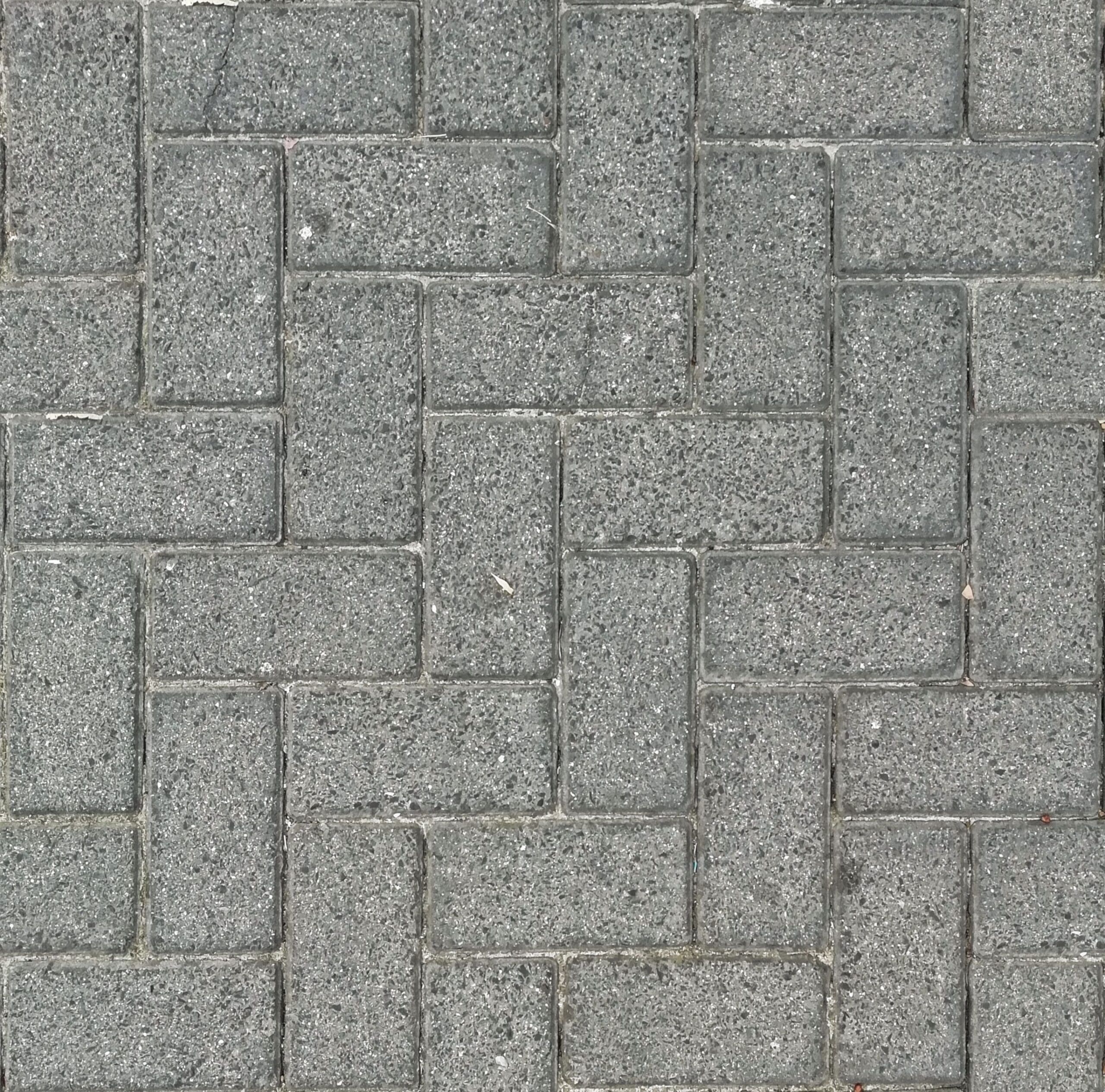
How Often Should You Seal Pavers in Arizona? Here’s What Actually Works
If you’re wondering how often should you seal pavers in Arizona, you’re asking the right question. Your outdoor pavers face relentless UV exposure, monsoon rains, desert dust, and temperature swings that can exceed 100 degrees in summer and drop to freezing in winter. That kind of climate stress breaks down sealer faster than you might think, and without proper maintenance, your pavers fade, stain, and deteriorate well before their time.
Most Arizona homeowners should plan to reseal pavers every 2 to 3 years. That’s the general guideline, but your actual schedule depends on several factors including sealer type, sun exposure, foot traffic, and how well the pavers were prepped during the last application. In high-traffic areas or full-sun patios in Mesa or Phoenix, you may need to reseal closer to every 18 to 24 months.
Understanding your paver maintenance schedule isn’t just about preserving curb appeal. It’s about protecting a significant investment in your outdoor living space and preventing costly repairs down the line.
Why Arizona’s Climate Demands More Frequent Paver Sealing
Arizona isn’t kind to outdoor surfaces. The intense UV radiation alone degrades sealer coatings faster than in most other climates. Add in monsoon season moisture, alkaline soil, hard water runoff, and dust storms, and you’ve got a perfect recipe for accelerated wear.
Sealer acts as a protective barrier against all of these elements. It prevents moisture from penetrating the paver surface, blocks UV damage that causes fading, and makes it harder for stains to set in. But that barrier doesn’t last forever. Over time, the sealer oxidizes, wears thin in high-traffic zones, and loses its water-repellent properties.
When sealer fails, you’ll start to notice white chalky buildup on outdoor pavers, color loss, increased staining, and even structural issues like sand loss between joints. These are all signs that your pavers are no longer protected and need attention.
How to Know When It’s Time to Reseal Your Pavers
You don’t need to guess when your pavers need resealing. There are clear visual and functional indicators that tell you it’s time.
Water Beading Test
The simplest test is the water bead test. Spray a small section of your pavers with water. If the water beads up and rolls off, your sealer is still doing its job. If the water soaks in and darkens the surface, the sealer has worn off and it’s time to reseal.
Visible Wear Patterns
Look for dull or faded areas, especially in high-traffic zones like walkways or near pool decks. If some sections look glossy while others appear flat and weathered, that’s uneven sealer wear. You’ll also notice that pavers get dirty faster once the sealer starts breaking down, because dirt and organic matter can penetrate the surface more easily.
Staining and Efflorescence
Stains that won’t wash off and white mineral deposits are red flags. Efflorescence happens when moisture pulls salts to the surface, a clear sign that water is penetrating your pavers. This is common across the East Valley, particularly after monsoon season or in areas with irrigation overspray.
Factors That Affect How Long Paver Sealing Lasts in Arizona
Not all paver sealing jobs are created equal. Several variables determine whether your sealer lasts two years or needs attention after just one summer.
Type of Sealer Used
Water-based sealers are easier to apply and more environmentally friendly, but they typically don’t last as long in Arizona’s harsh climate. Solvent-based sealers offer better durability and UV resistance, often extending the time between applications. If you want to understand how long paver sealing lasts in Arizona based on product type, that’s a critical distinction.
Sun Exposure and Location
A north-facing patio in Scottsdale that gets partial shade will hold sealer longer than a south-facing driveway in Gilbert that bakes in full sun all day. UV degradation is the number one enemy of paver sealer in Arizona, and exposure matters more than most homeowners realize.
Best Time of Year to Seal Pavers in the East Valley
Timing your paver sealing project correctly can extend the life of the application and improve results. In Arizona, fall and early spring are ideal windows. Temperatures are moderate, humidity is low, and you avoid the extreme heat that can cause sealer to cure too quickly or unevenly.
Late October through early December is particularly smart. You’ve made it through monsoon season, your pavers have had time to dry out completely, and you’re sealing before winter moisture and cooler nights set in. This also means your outdoor spaces are protected and looking their best for holiday gatherings and winter entertaining.
Avoid sealing during summer in Phoenix or Mesa. When surface temperatures exceed 100 degrees, sealer can flash off before it properly bonds, leading to streaking, bubbling, and premature failure. Similarly, sealing during monsoon season or right after rain invites moisture problems that compromise adhesion.
When Professional Paver Sealing Makes More Sense Than DIY
Sealing pavers isn’t just about rolling on a coat of product. The preparation is what determines long-term success. That means deep cleaning to remove embedded dirt, treating stains and efflorescence, repairing joint sand, and ensuring the surface is completely dry before sealer goes down.
If your pavers haven’t been maintained in years, if you’re dealing with oil stains, heavy discoloration, or uneven wear, professional service ensures the job is done right the first time. Poor prep or incorrect application can trap moisture, create a hazy finish, or cause sealer to peel within months.
Professional paver sealing in Mesa and throughout the East Valley also means access to commercial-grade products and equipment that deliver better coverage, more consistent results, and longer-lasting protection than most DIY approaches.
Protect Your Investment with a Consistent Sealing Schedule
Your outdoor pavers represent a significant investment in your home’s value and livability. Keeping them sealed on a regular schedule protects that investment, extends the life of your hardscape, and keeps your outdoor spaces looking clean and inviting year after year.
If it’s been more than two years since your last seal, or if you’re noticing fading, staining, or water absorption, now is the time to take action. Don’t wait until damage becomes costly to reverse.
Ready to restore and protect your pavers? Contact AZ Tile & Grout to schedule your professional paver cleaning and sealing service. We serve Mesa, Gilbert, Scottsdale, Phoenix, and the entire East Valley with expert care you can trust.
Frequently Asked Questions
1. How often should you seal pavers in Arizona compared to other states?
You should reseal pavers every 2 to 3 years in Arizona, which is more frequent than cooler climates where sealer can last 4 to 5 years. Our intense UV exposure and extreme temperature swings break down protective coatings faster. If your pavers are in full sun or high-traffic areas, plan to reseal closer to every 18 to 24 months.
2. What happens if I don’t seal my pavers regularly in Phoenix?
Unsealed pavers absorb moisture, fade quickly under UV exposure, and become magnets for stains and dirt. You’ll also see efflorescence, joint sand erosion, and surface deterioration that leads to expensive repairs. Regular sealing prevents these issues and protects your investment.
3. How much does it cost to seal pavers in Mesa or Gilbert?
Professional paver sealing typically costs between $1.50 and $3.00 per square foot depending on the condition of your pavers, the type of sealer used, and the amount of prep work required. A thorough cleaning and proper surface preparation are included in quality service, which ensures the sealer lasts as long as possible.
4. Can I seal pavers myself or should I hire a professional near me?
You can seal pavers yourself if they’re in good condition and you have the right tools and products. However, if your pavers are stained, faded, or haven’t been maintained in years, professional service ensures proper cleaning, stain treatment, and sealer application. Poor prep or incorrect application can cause sealer to fail within months.
5. How do I know if my pavers in Scottsdale need resealing?
Spray water on your pavers and watch what happens. If the water beads up, your sealer is still working. If the water soaks in and darkens the surface, it’s time to reseal. You’ll also notice fading, increased staining, and white chalky buildup when sealer protection has worn off.
Keep your pavers protected and looking their best. Schedule your professional paver sealing service with AZ Tile & Grout today. We serve Mesa, Gilbert, Scottsdale, Phoenix, and the entire East Valley with expert paver care that lasts.
Written by Alison Claehout, CEO and professional tile & stone specialist serving the Phoenix suburbs. Learn more about Alison’s expertise.
0 Comments