
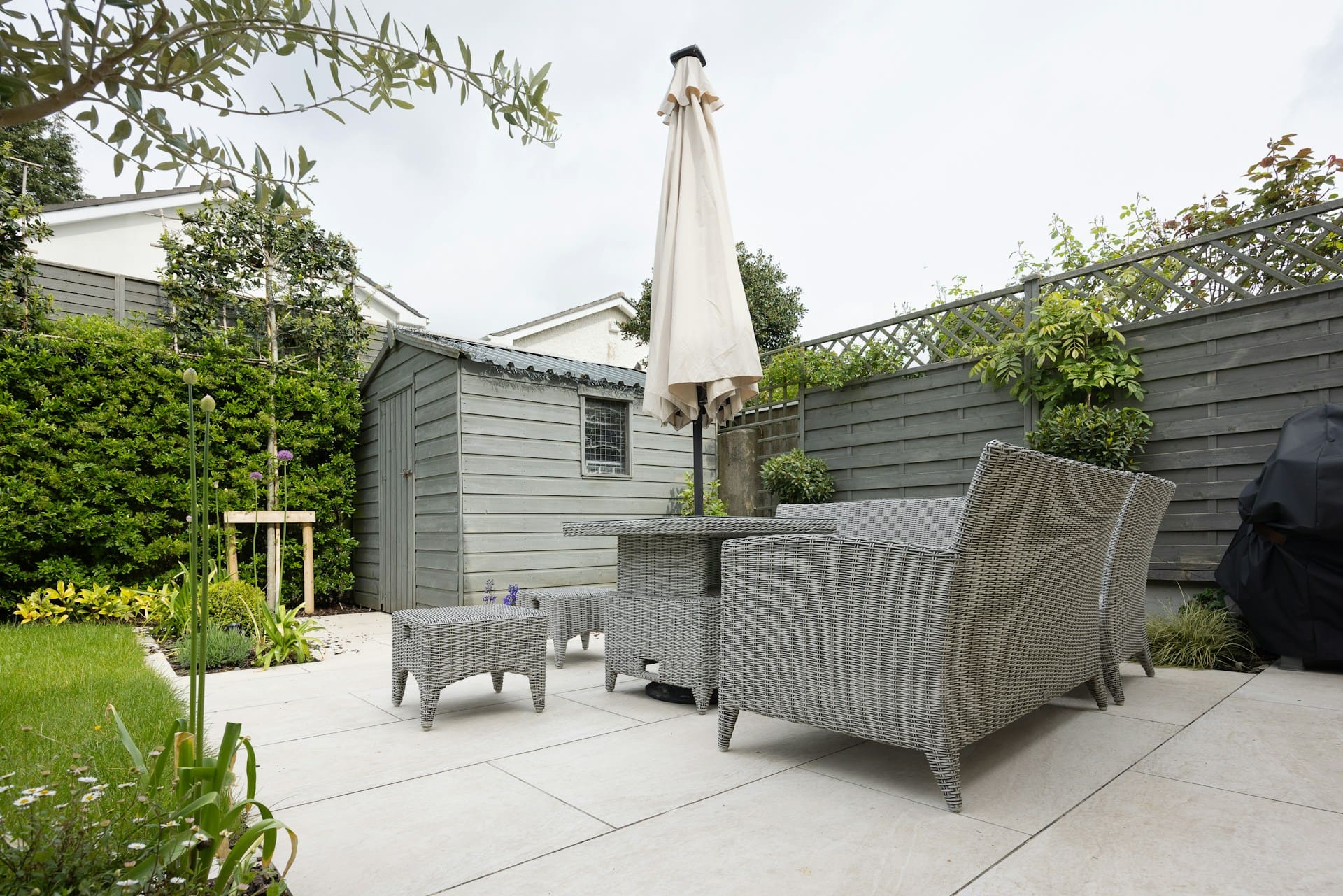
Arizona patios take a lot of wear. The intense sun, dusty winds, and surprise rain from monsoon season all play a part in how quickly outdoor pavers can start to look stained or faded. It doesn’t take long before once-clean patios collect a dull layer of build-up. When that happens, we often hear the same question: Is pressure washing a good idea, or is paver cleaning the safer route?
That’s a fair concern. Not all cleaning methods are equal, and when you’re dealing with pavers exposed to Phoenix’s tough weather, the wrong approach can do more harm than good. Let’s break down the differences between pressure washing and professional paver cleaning so you can feel confident in how to care for your patio.
Why Arizona Pavers Need Special Care
Pavers don’t just sit out in the sun. They soak it in, along with everything else that hits them. In Phoenix and nearby places like Mesa, outdoor surfaces face heatwaves, blowing sand, and hard water from sprinkler systems. That combo can really wear on materials.
- Wind carries fine dust that settles deep into joints and textures
- Harsh sun fades colors and dries out sealants
- Monsoon rains splash mud and minerals onto the surface, then bake them in under high temps
These types of conditions mean outdoor pavers in Arizona are up against more than just foot traffic. When they’re not cleaned and maintained the right way, it’s only a matter of time before they start to chip, shift, or turn an uneven shade of gray. That’s why it’s so important to keep up regular cleanings with care that matches our climate.
What Is Pressure Washing and How It Works
Pressure washing might seem like the fastest way to clean patio pavers. It uses a stream of water shot out at high speeds to blast away dirt, stains, and surface debris. It works well in some outdoor areas, especially for concrete or brick that can handle the force.
But not all surfaces are up for that kind of impact. Older patios or pavers made from natural stone can chip or crack under pressure. The joints between pavers, filled with sand or gravel, can get blown out, leaving gaps that cause pieces to shift over time. If you’ve ever seen uneven or loose stones, it is often the result of repeated power washing.
Even with newer pavers, too much or improper pressure can lead to issues down the road. So while it may look clean on the surface right away, the cost comes later with repairs, lost joint fill, and faded finishes that wear faster.
How Professional Paver Cleaning Protects Your Patio
Paver cleaning in Phoenix takes a more thoughtful approach. The goal isn’t just to clean but to protect the surface too. Instead of pushing dirt around or exposing weak spots, the tools and methods used in professional cleaning work for the specific type of paver material.
- Cleaning agents are picked based on the stone or surface type
- Tools remove build-up without eroding the surface or joints
- After cleaning, sealing often follows to guard against future damage
We use professional-grade equipment and specialty solutions to safely lift dirt from all types of patio pavers, including concrete, travertine, and brick. With a focus on preserving surface integrity, our service is designed for both residential and commercial outdoor living areas throughout the Phoenix area.
Done correctly, this method deep-cleans right into the texture of the stone and between joints without throwing everything out of alignment. A good seal keeps dust and hard water from soaking in, and it can help soften the wear from sunlight. That means less discoloration and longer-lasting patios that look fresh with simpler upkeep between cleanings.
Side-by-Side Comparison of Pros and Cons
To choose between pressure washing and paver cleaning, it helps to weigh what each offers, especially when it comes to Arizona weather.
-
Cleaning Power
- Pressure washing can remove surface grime fast, but often misses build-up deeper in the joints
- Paver cleaning is more thorough, reaching into textured surfaces without stripping layers
-
Risk to the Surface
- Pressure washing may damage weaker or older materials and blow out joint sand
- Paver cleaning is careful by design, using gentle pressure and correct methods
-
Surface Type Compatibility
- Pressure washing is mostly suitable for dense, strong surfaces like driveways
- Paver cleaning works across both concrete and natural stone patios
-
Maintenance After Cleaning
- Pressure washing may require re-sanding of joints
- Paver cleaning is typically followed by sealing, which helps prevent stains and makes future clean-up easier
- Natural stones like travertine are especially sensitive to pressure, making professional paver cleaning the safer choice in most backyard or patio settings.
- Keeping Your Patio Looking Its Best, the Safe Way
Choosing the Right Cleaning Method
Picking the right way to clean your patio isn’t just about appearance. In a place like Phoenix, where patios face so many outdoor elements, it’s about keeping your space safe, stable, and ready to enjoy all year long. We specialize in paver cleaning, sealing, and maintenance that protect against stains, fading, and damage in desert conditions. These services are backed by decades of experience helping Arizona homes and businesses get patios back to looking fresh.
Get the Safe Clean Your Patio Needs
Pressure washing might sound convenient, but blasting pavers can leave a trail of hidden damage that shortens their life. A softer approach, with proper tools and sealing, works better for Arizona homes over time. With regular, careful cleanings, pavers hold their color, stay in place, and stand up to seasonal sun and dust. If you want to see how our strategy for paver cleaning in Phoenix can improve your patio, contact us today to schedule your patio evaluation.
0 Comments