
What’s the Difference Between Marble Honing vs. Polishing?
You’re standing in a Scottsdale showroom staring at two marble samples. One gleams like glass, the other has a soft, velvety look. Both are beautiful, but they couldn’t feel more different. That’s the difference between marble honing vs. polishing, and choosing the wrong finish for your lifestyle can mean constant frustration or expensive repairs down the road.
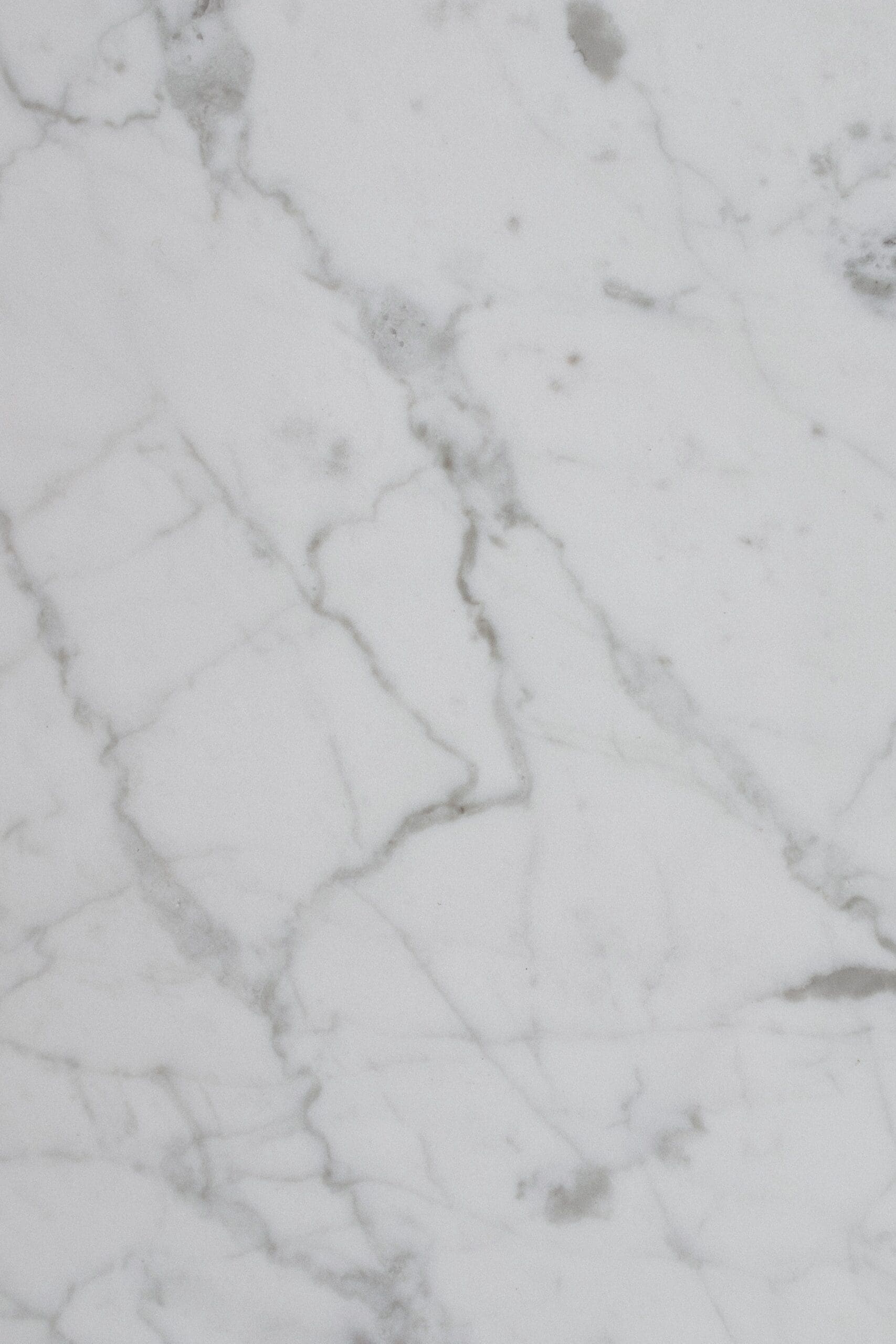
Marble honing and polishing aren’t just aesthetic preferences. They’re two distinct surface treatments that affect how your marble performs in Arizona’s demanding climate. Polished marble has a high-gloss, reflective finish achieved by grinding the stone with progressively finer abrasives until it shines. Honed marble stops earlier in that process, leaving a smooth but matte surface with little to no shine.
The finish you choose impacts everything from scratch visibility to maintenance demands. In Phoenix and Scottsdale homes where marble floors, countertops, and showers are common, understanding marble polishing vs. honing helps you make a decision you’ll be happy with for years.
How Polished Marble Looks and Performs
Polished marble delivers that classic luxury look. The high-gloss surface reflects light beautifully, making spaces feel larger and more elegant. It’s why you see it in high-end Scottsdale foyers, master bathrooms, and formal living areas.
But that shine comes with tradeoffs. Polished marble shows every scratch, scuff, and etch mark. Arizona’s hard water leaves spots that stand out under bright lighting. Dust and dirt are more visible on glossy surfaces. If you have kids, pets, or high foot traffic, polished marble requires consistent care to maintain its mirror-like appearance.
Etching is the bigger issue. Acidic substances like lemon juice, wine, or even some cleaning products can dull the polished surface on contact. Once etching occurs, the only way to restore the shine is through professional marble floor polishing in Scottsdale, which involves re-grinding and buffing the surface.
Polished marble also tends to be more slippery when wet, a consideration for bathroom floors or pool surrounds.
How Honed Marble Looks and Performs
Honed marble has a softer, more understated elegance. The matte finish doesn’t reflect light the same way, giving it a natural, almost chalky appearance. It’s become increasingly popular in modern Arizona homes that favor organic textures over high shine.
The practical advantages are significant. Honed marble hides scratches, water spots, and etching far better than polished surfaces. It’s more forgiving in high-traffic areas and family-friendly spaces. You won’t see every fingerprint or scuff mark the way you would on a glossy finish.
Honed marble also offers better slip resistance, making it a safer choice for showers, bathroom floors, and outdoor applications. In Arizona’s intense UV exposure, honed finishes tend to age more gracefully without showing the same level of surface wear.
The tradeoff? Honed marble is more porous than polished marble. Without that densely compacted surface layer, it can absorb stains more easily if not properly sealed. Regular sealing and prompt cleanup of spills are essential, especially in kitchens or high-use areas.
Which Finish Works Better in Arizona Homes?
Your choice between matte vs. glossy marble should be driven by where the stone will live and how you use that space.
Polished marble makes sense in low-traffic, formal areas where you want maximum visual impact. Think entryways, powder rooms, or decorative accent walls. If you’re committed to regular maintenance and don’t have young children or pets tracking in desert dust, polished marble can stay stunning with the right care routine.
Honed marble is the smarter choice for kitchens, family bathrooms, mudrooms, and outdoor spaces. It handles Arizona’s hard water better, hides the inevitable wear from daily life, and requires less frequent professional intervention. Many homeowners who choose marble floor restoration in Mesa are switching from polished to honed finishes specifically because of the lower maintenance demands.
Can You Switch Between Finishes Later?
Yes, you can change your marble finish after installation, but it’s not a DIY project. Converting polished marble to honed requires professional grinding to remove the glossy layer and create that matte surface. Going from honed to polished involves additional grinding stages followed by buffing and polishing compounds to build up the shine.
Both processes require specialized equipment and an experienced hand. Improper technique can create uneven surfaces, visible scratches, or permanent damage to the stone. If you’re considering a finish change, it’s worth consulting with a marble restoration specialist who understands how Arizona’s climate affects natural stone performance.
Some homeowners in Phoenix choose to refinish their marble every few years as part of a broader restoration process, especially if etching or wear has compromised the original surface. This is also an opportunity to switch finishes based on how your lifestyle or design preferences have evolved.
Maintenance Differences You Need to Know
Polished marble demands more frequent cleaning to maintain its appearance. You’ll need pH-neutral cleaners, microfiber cloths, and a commitment to wiping up spills immediately. Hard water buildup shows up quickly, and you may need professional cleaning or polishing annually depending on traffic levels.
Honed marble is more forgiving day to day, but sealing becomes critical. Plan on resealing every six to twelve months in Arizona’s dry climate, especially in areas exposed to moisture or heavy use. Regular sweeping or vacuuming prevents dirt from settling into the stone’s texture, and prompt spill cleanup prevents staining.
Both finishes benefit from professional care. Whether you need etching repaired, surfaces resealed, or a full restoration, working with specialists who understand natural stone ensures your marble stays beautiful without unnecessary damage.
When to Call a Professional
If your marble has visible etching, deep scratches, or dull spots that won’t buff out, it’s time for professional restoration. DIY polishing kits and home remedies often make the problem worse, creating uneven surfaces or additional damage that costs more to fix later.
Professional marble restoration includes deep cleaning, honing or polishing to your desired finish, and proper sealing to protect the stone moving forward. For homeowners in Scottsdale and Phoenix dealing with hard water damage, UV exposure, or years of buildup, expert care restores the stone’s original beauty and extends its lifespan significantly.
Get Expert Guidance on the Right Finish for Your Home
Choosing between marble honing vs. polishing isn’t just about aesthetics. It’s about matching your finish to your lifestyle, your home’s traffic patterns, and Arizona’s unique environmental challenges. The right choice makes your marble easier to live with and more beautiful over time.
If you’re unsure which finish works best for your space, or if your existing marble needs restoration, we’re here to help. Our team specializes in marble and natural stone care throughout the East Valley, and we’ll walk you through your options with honest, expert advice. Contact us today for a free consultation and let’s find the perfect finish for your home.
Frequently Asked Questions
1. Is honed or polished marble better for bathroom floors in Mesa?
Honed marble is the safer choice for bathroom floors because it offers better slip resistance when wet. It also hides water spots and etching from soap and shampoo better than polished surfaces. If you want a glossy look, save polished marble for walls or low-traffic areas.
2. How much does it cost to change marble from polished to honed?
Professional refinishing typically costs between $3 to $7 per square foot depending on the stone’s condition and the area size. The process requires specialized grinding equipment and expertise to avoid damaging your marble. Most East Valley homeowners find the investment worthwhile for the reduced maintenance and improved durability.
3. Does honed marble stain easier than polished marble?
Honed marble is slightly more porous, so it can absorb stains faster if not properly sealed. Regular sealing every six to twelve months and prompt spill cleanup prevent most staining issues. Polished marble resists stains better but shows scratches and etching more visibly.
4. Can I polish marble myself or do I need a professional?
DIY polishing kits rarely deliver professional results and can create uneven surfaces or additional scratches. Marble polishing requires progressive grinding stages, specialized compounds, and experience reading the stone’s response. For lasting results, hire a professional who understands natural stone restoration.
5. Where can I find marble honing services near me in Scottsdale?
Look for stone restoration specialists with experience in natural stone care and a track record in Arizona homes. Professional honing services should include surface evaluation, proper grinding techniques, and sealing recommendations specific to your marble type and location. Local companies familiar with hard water and UV challenges deliver better long-term results.
Ready to restore your marble or choose the right finish for your space? AZ Tile & Grout specializes in marble restoration, honing, and polishing throughout Mesa, Scottsdale, and the East Valley. We’ll help you make the best decision for your home and lifestyle. Schedule your free consultation today and see what professional marble care can do.
Written by Alison Claehout, CEO and professional tile & stone specialist serving the Phoenix suburbs. With years of hands-on experience in natural stone restoration, Alison helps homeowners make informed decisions about their marble, tile, and grout care. Learn more about Alison’s expertise.
0 Comments