
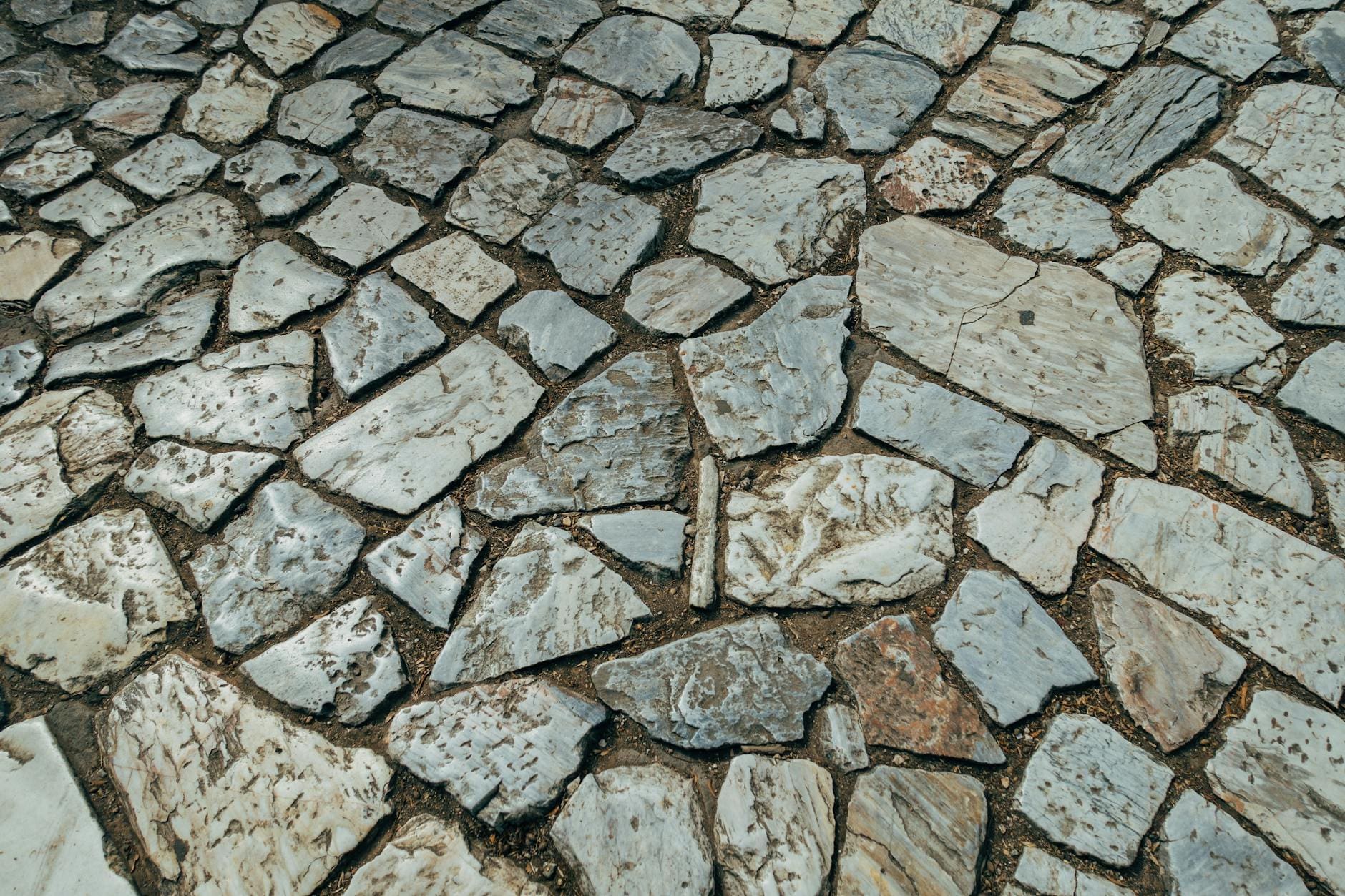
Why Slate Tile Floors Need Special Attention in Arizona
If you’re wondering how to clean slate tile floors in your Phoenix home, you’re already ahead of most homeowners. Slate is a stunning natural stone that brings texture and character to any space, but it requires a different approach than ceramic or porcelain tile. The desert climate, hard water, and dust that comes with Arizona living can dull slate’s natural beauty faster than you’d expect. Understanding proper slate floor care means your investment stays beautiful for decades, not just years.
Slate is a metamorphic rock with natural clefts and variations that make each tile unique. Those same characteristics also make it porous and prone to staining if not properly sealed and maintained. Arizona’s hard water leaves mineral deposits, and our fine desert dust settles into the textured surface. Without the right cleaning approach, you risk damaging the stone or stripping away protective sealers that keep your floors looking their best.
The Right Way to Clean Slate Tile Floors
Start with the basics: regular dry cleaning. Sweep or vacuum your slate floors at least twice a week to remove grit and sand that can scratch the surface. Use a soft-bristle broom or a vacuum without a beater bar. This simple step prevents abrasive particles from grinding into the stone during wet cleaning.
For routine mopping, use a pH-neutral cleaner specifically designed for natural stone. Never use vinegar, ammonia, or acidic cleaners on slate. These products etch the stone and break down sealers, leaving your floors vulnerable to stains and moisture damage. Mix your stone-safe cleaner with warm water according to label directions, then mop using a microfiber mop or soft cloth. Wring out excess water because slate doesn’t like sitting in puddles.
Change your mop water frequently. Dirty water just redistributes grime across your floors. After mopping, go over the surface with a clean, damp microfiber cloth to remove any cleaner residue. Let the floor air dry completely before walking on it.
Dealing with Stubborn Stains and Buildup
Hard water stains are common on slate in Phoenix. If you notice white, chalky deposits, use a stone-safe hard water stain remover. Apply it to the affected area, let it sit for the recommended time, then scrub gently with a soft brush. Rinse thoroughly with clean water and dry the area.
For oil-based stains, create a poultice using baking soda and water to form a thick paste. Spread it over the stain, cover with plastic wrap, and let it sit for 24 hours. The poultice draws the stain out of the porous stone. Remove the dried paste, rinse the area, and repeat if necessary.
If your slate has lost its luster despite regular cleaning, the issue might be deeper than surface dirt. Professional restoration can address etching, worn sealers, and embedded grime that home cleaning can’t reach. Our terrazzo, slate, and flagstone services include deep cleaning, sealing, and restoration that brings back the stone’s natural beauty.
Sealing and Long-Term Protection
Even the best cleaner for slate won’t protect your floors if the sealer has worn away. Slate should be sealed every one to three years depending on foot traffic and wear. Test your sealer by dropping a few water droplets on the floor. If water beads up, your sealer is working. If it soaks in within a few minutes, it’s time to reseal.
Before sealing, clean the floor thoroughly and let it dry for at least 24 hours. Apply a penetrating sealer designed for slate using a paint pad or lambswool applicator. Work in small sections and wipe away excess sealer before it dries. Most sealers require two coats for optimal protection.
Between professional cleanings, place mats at entryways to trap dirt and moisture before they reach your slate. Use felt pads under furniture legs to prevent scratches. Clean up spills immediately, especially acidic substances like citrus juice or wine.
When to Call in the Professionals
Common Mistakes That Damage Slate Floors
You might think you’re helping your slate floors, but some common cleaning habits actually cause harm. Using too much water is one of the biggest mistakes. Slate is porous, and excessive moisture can seep beneath the surface, weakening adhesives and causing efflorescence, those white powdery deposits that appear as salts migrate through the stone.
Steam mops are another culprit. While they work well on some surfaces, the high heat and moisture can damage slate’s natural structure and break down sealers prematurely. Stick with traditional mopping methods and pH-neutral cleaners.
Scrubbing with abrasive pads or stiff brushes scratches the stone and wears away protective coatings. If you need to scrub, use a soft-bristle brush and let your cleaner do the work. Patience beats elbow grease when it comes to natural stone care.
Finally, don’t skip the drying step. Letting your slate air dry without wiping away standing water invites water spots and mineral buildup, especially with Phoenix’s hard water. A quick pass with a dry microfiber cloth takes seconds and prevents long-term problems.
Protecting Your Investment
Your slate floors are more than just a surface, they’re an investment in your home’s beauty and value. Proper cleaning and maintenance extend their life and keep them looking spectacular year after year. Regular sweeping, pH-neutral cleaning products, appropriate sealing, and prompt attention to spills form the foundation of effective slate care.
When routine maintenance isn’t enough, professional cleaning and restoration make a dramatic difference. We understand Arizona’s unique challenges and how they affect natural stone. Our process removes years of buildup, restores the stone’s natural color and texture, and applies commercial-grade sealers that outperform retail products. You’ll see the difference immediately, and your floors will stay cleaner longer between maintenance visits.
Frequently Asked Questions
Can I use vinegar to clean slate tile floors?
No, never use vinegar on slate floors. Vinegar is acidic and will etch the stone surface and break down protective sealers. Always use a pH-neutral cleaner specifically formulated for natural stone to avoid damaging your slate.
How often should slate floors be sealed?
Slate floors typically need resealing every one to three years depending on foot traffic and wear. Test your sealer by placing water droplets on the floor—if water soaks in rather than beading up, it’s time to reseal.
What’s the best way to remove hard water stains from slate?
Use a stone-safe hard water stain remover designed for natural stone. Apply it to the affected area, let it sit according to product directions, then gently scrub with a soft brush. Rinse thoroughly and dry completely to prevent new deposits from forming.
Can I steam clean slate tile floors?
Steam cleaning is not recommended for slate floors. The high heat and moisture can penetrate the porous stone and potentially damage sealers or cause moisture-related issues. Stick with damp mopping using pH-neutral cleaners and minimal water.
How do I know if my slate floors need professional restoration?
If your slate looks dull after cleaning, shows visible etching or scratches, has uneven wear patterns, or displays stubborn stains that won’t respond to home treatments, professional restoration is needed. These issues require specialized equipment and expertise that goes beyond routine maintenance. Request an estimate today to restore your slate floors to their original beauty.
0 Comments