
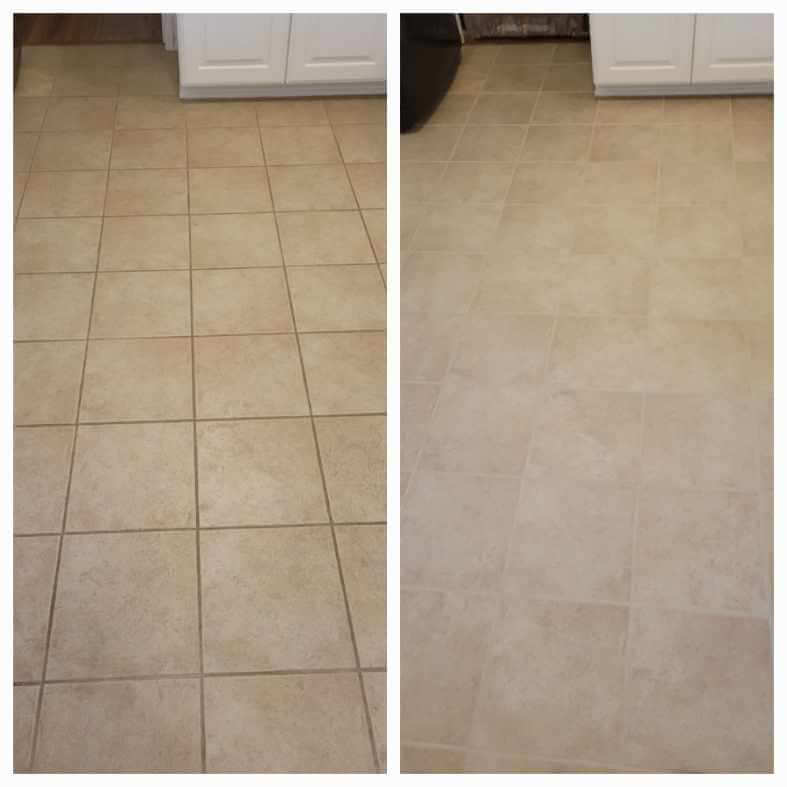
Why Cleaning Grout at Home in Arizona Is Harder Than You Think
You’ve scrubbed your grout lines with every product under the sink. You’ve used toothbrushes, steam mops, and that miracle cleaner your neighbor swears by. And yet, a week later, your grout looks just as dingy as before. If you’re wondering how to clean grout at home and actually see lasting results, you’re not alone. Arizona homeowners across the East Valley face the same frustration, and the culprit isn’t your effort or your tools. It’s the water.
Arizona’s mineral-heavy water leaves behind calcium, lime, and other deposits that bond to grout over time. These minerals don’t just sit on the surface, they penetrate porous grout and create buildup that household cleaners can’t touch. What looks like dirt is often a combination of hard water residue, soap scum, and embedded grime that requires more than elbow grease to remove.
Understanding why DIY grout cleaning often falls short in Arizona homes is the first step toward making smarter decisions about your floors. Let’s break down what actually works, what doesn’t, and when it’s time to stop scrubbing and call in reinforcements.
Common DIY Grout Cleaning Methods (And Their Real-World Results)
Most homeowners start with the basics: baking soda and vinegar, hydrogen peroxide, or store-bought grout cleaners. These methods can handle light surface dirt, especially in low-traffic areas or on newer grout. But in Arizona, where hard water is a constant factor, these approaches rarely deliver the deep clean you’re hoping for.
Baking soda and vinegar create a fizzing reaction that loosens some surface grime, but it doesn’t address embedded staining or mineral deposits. Hydrogen peroxide works slightly better on organic stains like mildew, but it won’t touch the chalky white residue left behind by our tap water. Store-bought cleaners vary widely in effectiveness, and many contain harsh chemicals that can damage grout or discolor sealant over time.
Steam mops are another popular choice, and they do offer some sanitizing benefits. However, steam alone doesn’t remove buildup, it just softens it temporarily. Without proper extraction, that loosened grime settles right back into the grout lines once everything dries.
If you’ve noticed your grout looking better immediately after cleaning but reverting within days, that’s a sign the underlying issue wasn’t addressed. Surface-level cleaning can only do so much when the real problem is below the surface.
Why Arizona’s Hard Water Makes DIY Grout Cleaning a Losing Battle
Arizona’s water supply is notoriously hard, especially in Mesa and throughout the East Valley. This means every time you mop, shower, or rinse your floors, you’re depositing a fresh layer of minerals onto your tile and grout. Over months and years, this buildup becomes nearly impossible to remove with standard household products.
Hard water doesn’t just stain grout, it changes its texture. Unsealed or worn grout absorbs these minerals, creating a rough, porous surface that traps dirt even faster. You might notice grout lines that feel gritty to the touch or that seem to attract dust and debris more quickly than they used to. That’s mineral saturation at work.
This is the same issue that affects outdoor pavers, pool decks, and shower tiles across Arizona. The hard water stains on shower tile you see in your bathroom are chemically identical to what’s happening on your kitchen or entryway floors. DIY methods simply aren’t designed to break down that kind of bonded mineral layer.
Professional tile and grout cleaning in Mesa uses high-pressure extraction and pH-balanced solutions that dissolve mineral deposits without damaging the grout itself. It’s not about working harder, it’s about working smarter with the right tools for Arizona’s unique conditions.
When DIY Grout Cleaning Makes Sense (And When It Doesn’t)
There are situations where cleaning grout yourself is perfectly reasonable. If your grout is relatively new, properly sealed, and only lightly soiled, a gentle scrub with a neutral pH cleaner can maintain its appearance between professional services. Spot cleaning small spills or addressing isolated stains right away is also a smart move.
But if your grout has turned gray, brown, or black despite regular cleaning, or if you’re dealing with discoloration that won’t budge no matter what you try, DIY methods have likely reached their limit. Grout that’s cracked, crumbling, or visibly uneven is another red flag that the issue goes beyond surface dirt.
What Professional Grout Cleaning Does That DIY Can’t
Professional tile and grout cleaning uses truck-mounted or portable extraction systems that generate heat and pressure far beyond what any consumer-grade tool can achieve. These machines inject cleaning solution deep into grout lines, break down years of embedded soil and mineral deposits, and extract everything in a single pass. The difference isn’t just cosmetic, it’s structural.
High-pressure steam cleaning reaches temperatures that kill bacteria, mold spores, and allergens living below the grout surface. This matters in Arizona homes where dust and outdoor debris constantly filter indoors. The extraction process removes contaminants instead of just redistributing them, which is what happens when you mop or scrub by hand.
After cleaning, professionals can apply a penetrating sealer that fills the pores in your grout and creates a protective barrier against future staining. This step is critical in the East Valley, where hard water and desert dust are relentless. Sealing extends the life of your grout and makes routine maintenance far easier going forward.
For grout that’s discolored beyond repair, grout color sealing offers a transformative solution. This process applies a durable epoxy coating that restores uniform color, seals out moisture, and resists staining better than traditional grout ever could. It’s a long-term fix that eliminates the need for constant scrubbing.
How to Maintain Your Grout Between Professional Cleanings
Once your grout has been professionally cleaned and sealed, keeping it in good shape becomes much simpler. Use a pH-neutral tile cleaner and avoid acidic or abrasive products that can wear down the sealer. A microfiber mop works better than a traditional string mop because it picks up dirt instead of pushing it around.
Wipe up spills promptly, especially in kitchens and entryways where tracked-in debris is common. In bathrooms, squeegee shower walls after each use to minimize soap scum and hard water buildup. These small habits make a noticeable difference over time and reduce how often you’ll need professional intervention.
Plan for professional cleaning every 12 to 18 months depending on traffic levels and household conditions. Homes with pets, kids, or high foot traffic may benefit from annual service, while less-used areas can stretch closer to two years. Regular maintenance protects your investment and keeps your floors looking their best year-round.
Ready to Stop Scrubbing and Start Seeing Real Results?
If you’ve spent enough time on your hands and knees with a brush and a bottle, it’s time to let the experts take over. AZ Tile & Grout specializes in restoring tile and grout to like-new condition using professional-grade equipment and Arizona-specific techniques. Whether you’re in Mesa, Gilbert, Scottsdale, or anywhere in the East Valley, we deliver results that last. Contact us today to schedule your service and see what clean grout is supposed to look like.
Frequently Asked Questions
1. How do you clean grout at home without damaging the tile?
Use a pH-neutral cleaner and a soft-bristle brush to avoid scratching tile surfaces. Avoid acidic cleaners like vinegar on natural stone, as they can etch the surface. For sealed grout, gentle scrubbing with warm water and a mild detergent is usually enough for routine maintenance.
2. What’s the best way to clean grout in a shower with hard water stains?
Hard water stains require more than surface cleaning because minerals bond to grout. A paste of baking soda and water can help with light buildup, but stubborn deposits often need professional extraction. Regular squeegeeing after showers helps prevent new stains from forming.
3. How often should I clean my grout if I live in Mesa or the East Valley?
Light cleaning every week or two keeps surface dirt from building up. However, Arizona’s hard water means you’ll likely need professional deep cleaning every 12 to 18 months to remove mineral deposits that household products can’t reach. Sealing your grout after professional cleaning extends the time between services.
4. Can I clean grout myself or should I hire a professional near me?
DIY cleaning works for light maintenance on sealed grout, but discolored, stained, or unsealed grout usually needs professional equipment. If your grout hasn’t responded to scrubbing or looks worse within days of cleaning, a local professional can address the underlying mineral buildup and restore your floors properly.
5. How much does professional grout cleaning cost in Arizona?
Professional grout cleaning typically costs between $0.75 and $2.00 per square foot depending on the condition of your grout and the size of the area. Most East Valley homeowners find the investment worthwhile because it removes years of buildup and includes sealing, which protects grout and reduces future maintenance.
Stop Scrubbing and Get Professional Results
If your grout still looks dingy after every DIY attempt, it’s time to call in the experts. AZ Tile & Grout serves Mesa, Gilbert, Scottsdale, and the entire East Valley with professional cleaning, sealing, and restoration services that deliver real, lasting results. Schedule your grout cleaning in Mesa today and see the difference professional equipment makes.
Written by Alison Claerhout, CEO and professional tile and stone specialist serving the Phoenix suburbs. Learn more about Alison’s expertise in tile and grout restoration.
0 Comments