
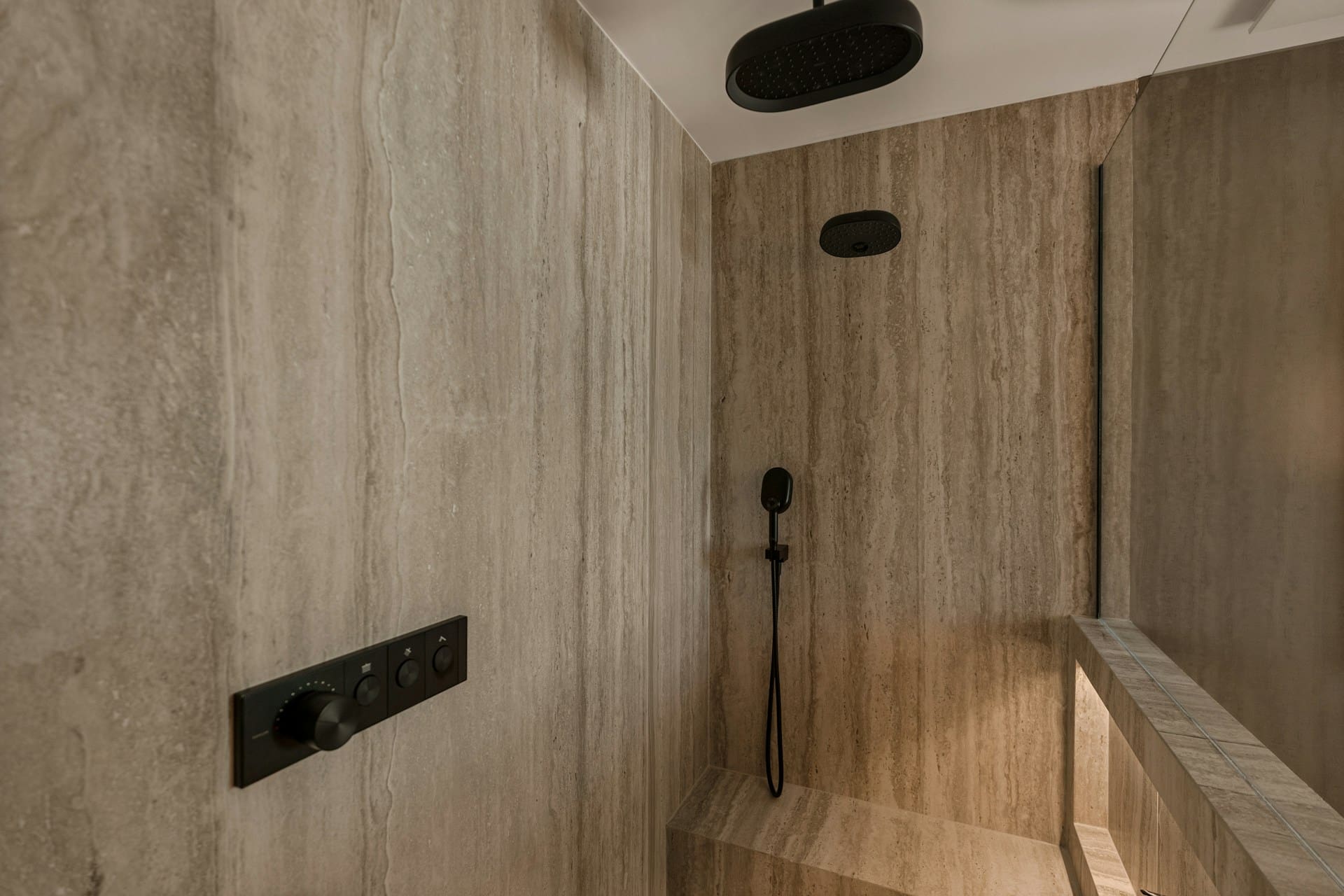
Arizona’s dusty air, blazing sun, and dry climate can be tough on natural surfaces, especially travertine. If you have this soft, natural stone in your home or yard, you have probably noticed that it does not take much to make it look worn down. That is why travertine cleaning and sealing is so important here. Without the right care, dust settles into the pores, grime builds up, and water can soak in where it should not. Keeping it clean and sealed helps it last longer and look better, whether it is inside your shower or out by the pool.
Spring is a smart time to think about giving your travertine a little extra attention. The temperatures are still mild, and this gives everything a chance to dry and set before the summer heat rolls in. Cleaning and sealing your travertine now helps protect it before the long stretch of desert sun and pool season hits.
What Makes Travertine Different from Other Natural Stone
Travertine has a look and feel all its own. It is softer than granite, more porous than marble, and naturally full of tiny holes and texture. That makes it both beautiful and a bit more sensitive. Because of its surface, it needs more frequent care than harder stones.
We often see travertine used in places that get a lot of use in Arizona homes. It is common on patios, around pools, on bathroom floors, and in showers. These are spots that deal with a mix of water, dirt, soap, and sun, sometimes all in the same day. Without the right care, travertine can lose its shine, start to discolor, or get damaged. Just like any natural material, travertine stays strong with regular upkeep.
How Arizona’s Climate Wears Down Travertine
Living in Phoenix means dealing with dry and dusty conditions that can be especially hard on stone surfaces. Travertine is especially affected by dust storms, splash-back from pools, and strong afternoon sun.
Outdoor travertine usually shows wear faster than indoor surfaces. On patios or walkways, dust can grind into the pores, and sealants wear down quicker because of weather exposure. Rain during monsoon season can wash dirt deeper into the stone, and in summer, heat can dry out protective coatings. Inside, travertine in wet areas like showers or bathrooms takes on moisture and soap that slowly breaks down the seal over time.
If the seal gets too worn, water can soak in rather than bead up on touch. That is when the risk of staining, mildew, or surface damage starts to creep in.
Signs It’s Time to Reseal Your Travertine
Travertine does not have to look bad before it needs help. In fact, catching the signs early can stop damage from happening in the first place. Here are some simple clues it might be time for a reseal:
- Water no longer beads on the surface; it soaks in quickly
- The stone looks dull, chalky, or uneven in color
- You see signs of wear around high-use areas like entry points, pools, or showers
If it has been more than a year or two since the last sealing, it is a good idea to check. The location makes a difference, too. A backyard patio takes more of a beating than a guest bathroom, and areas near water, like showers or pools, usually wear out faster.
How Professional Cleaning and Sealing Helps
There is a big difference between giving your travertine a quick wipe-down and having it professionally cleaned and sealed. Basic cleaning might make the surface look nicer for a short time, but it does not remove the grit or buildup deep in the pores. Over time, that trapped dirt can wear the surface down more quickly.
We use specialized cleaning systems designed for natural stone like travertine to extract deep dirt and restore the surface without harsh chemicals. After cleaning, we apply a high-quality sealer formulated for Arizona’s climate, ensuring maximum protection against water, sun, and stains. Our technicians tailor the solution based on whether your travertine is inside or out, which helps to preserve the unique look and feel of each installation.
Proper care can help extend the life of your travertine and keep it looking its best over the long run.
Don’t Wait for Summer: Why Spring Is the Best Time for Sealing in Arizona
Once July hits, outdoor surfaces in Arizona can get too hot to touch. That scorching heat makes it harder for sealants to apply and cure evenly. Spring gives us the perfect balance: warm but not too warm, days with dry air that help the sealing process go smoothly.
Getting ahead of the summer heat also means you are ready for all those outdoor activities. Sealing travertine in March or April means it is protected before kids are splashing in the pool or guests are walking across the patio with wet feet. It is better to seal now while the weather works in your favor rather than wait until damage already begins.
Year-Round Protection for Your Travertine
Travertine might be a strong natural stone, but Arizona’s harsh elements can wear it down sooner than you expect. Keeping up with sealing and maintenance helps protect your surface and keep it looking like it should: smooth, clean, and natural.
By checking for signs of wear early and resealing as needed, you can prevent many common issues before they start. With a little planning and regular care from an experienced local company, your travertine can look beautiful and stay strong through countless summers.
When travertine has not been cleaned or sealed for a while, now is the perfect time to take care of it before summer ramps up. Arizona’s hot, dry climate can wear down surfaces faster than expected, especially outdoors or where there is a lot of moisture. Our process for travertine restoration helps keep your stone protected and looking its best all year long. At AZ Tile & Grout Cleaning, we know how to handle the wear and tear Phoenix and Mesa weather can bring. Give us a call to schedule a visit.
0 Comments